

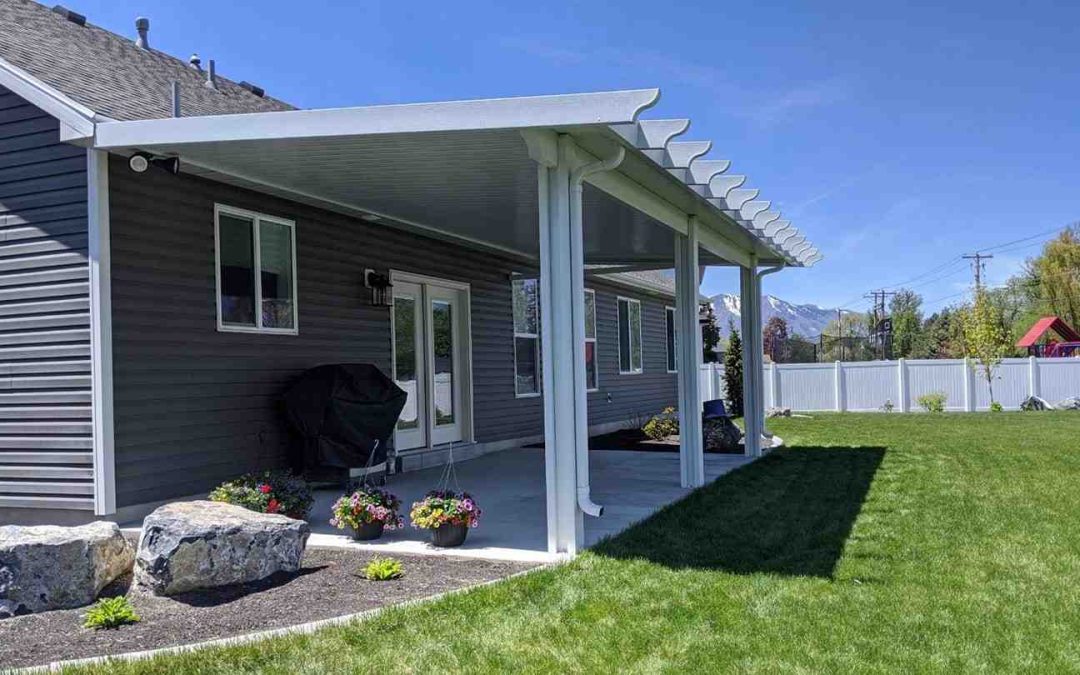
Pergolas Salt Lake City Homeowners Can Enjoy in Every Season
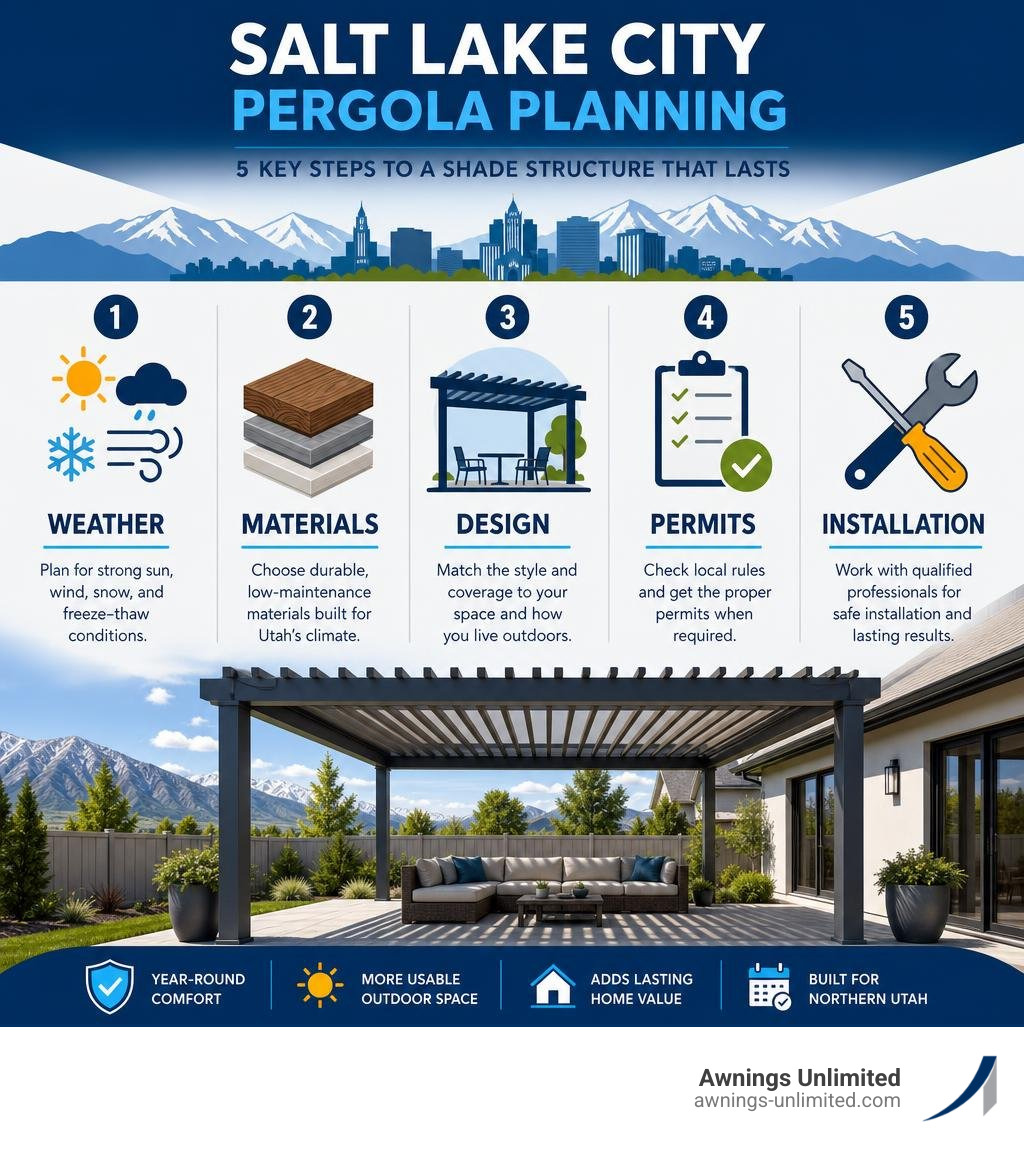
Pergolas Salt Lake City homeowners choose should do more than look good. They need to add useful shade during the area’s 222-plus sunny days each year while standing up to strong sun, wind, snow, and freeze-thaw weather.
For a quick starting point, look for a pergola or structural patio cover that offers:
- Durable materials built for Utah’s sun and winter conditions
- A design matched to your patio, landscaping, hot tub area, or outdoor kitchen
- Proper engineering and permits when local rules require them
- Low-maintenance finishes that avoid frequent painting, staining, or repairs
- A qualified local installer with clear warranty coverage and experience in Northern Utah
A well-planned shade structure can make a patio more comfortable, expand usable outdoor living space, and support long-term home appeal. The best fit depends on how you use the space, how much coverage you want, and the weather exposure at your property.
Awnings Unlimited has served Northern Utah since 1976, creating custom patio covers, lattice covers, and pergolas Salt Lake City homeowners can rely on for lasting outdoor comfort. Our team works with durable Alumawood materials and designs each project around the home, yard, and local climate.
Why Pergolas Salt Lake City Homes Need Year-Round Shade
Living along the Wasatch Front gives us breathtaking mountain views and a outdoor-loving lifestyle, but it also exposes our backyards to intense weather swings. Salt Lake City receives over 222 sunny days per year. While all that sunshine makes for incredible weekend barbeques, it also generates punishing heat and intense ultraviolet (UV) radiation during the summer months. Unshaded concrete patios and timber decks quickly become unbearable to walk on barefoot and uncomfortable to lounge across during peak midday hours.

Adding a dedicated shade system creates a physical barrier that moderates temperatures underneath while preserving the open-air feeling we all enjoy. Over 60% of home buyers in the Salt Lake region consider a covered patio or structural pergola a “must-have” exterior feature when searching for properties. By expanding your home’s usable living space into the yard, you create an inviting outdoor room for entertaining guests, hosting family dinners, or simply unwinding after a long work week.
Furthermore, outdoor shade structures provide a tangible return on investment. In the Mountain West market, high-quality outdoor living upgrades can deliver an estimated ROI ranging from 50% up to 80%, while boosting overall property resale value by 12% to 15%. Investing in durable outdoor infrastructure enhances daily lifestyle comfort today while building long-term equity in your home.
Weather Challenges for Pergolas Salt Lake City Properties
Our unique geography in Northern Utah presents distinct environmental challenges that every exterior structure must endure. A design that works seamlessly in sunny southern California or humid Florida could struggle under Wasatch Front climate conditions.
Key seasonal stress factors include:
- Heavy Winter Snow Loads: Salt Lake City and neighboring communities like Park City, Sandy, and Draper experience heavy snowfall events. A roof structure must be engineered to withstand dozens of pounds per square foot without sagging, warping, or collapsing.
- Intense High-Altitude UV Rays: Elevated altitude means thinner atmospheric filtering, resulting in harsher solar exposure that quickly bakes, cracks, and fades unconditioned outdoor materials.
- Freeze-Thaw Temperature Cycles: Fluctuating winter and spring temperatures cause moisture to seep into minute crevices, freeze, expand, and shatter porous or low-grade building materials.
- Strong Canyon Winds: Wind gusts funneling down through Wasatch mountain canyons demand rigid posts, deep footings, and solid anchor points.
To explore the fundamentals of choosing durable shade structures designed for these extremes, browse our comprehensive Pergolas Complete Guide 2026.
Designing Pergolas Salt Lake City Landscapes Deserve
A well-crafted pergola shouldn’t look like an afterthought bolted onto the back of your residence. It should feel like a natural, architectural extension of your house and landscape. Whether you own a modern home in Daybreak, a suburban residence in South Jordan, or a historic house in Sugar House, custom design lets you match roof lines, post styles, and color palettes perfectly.
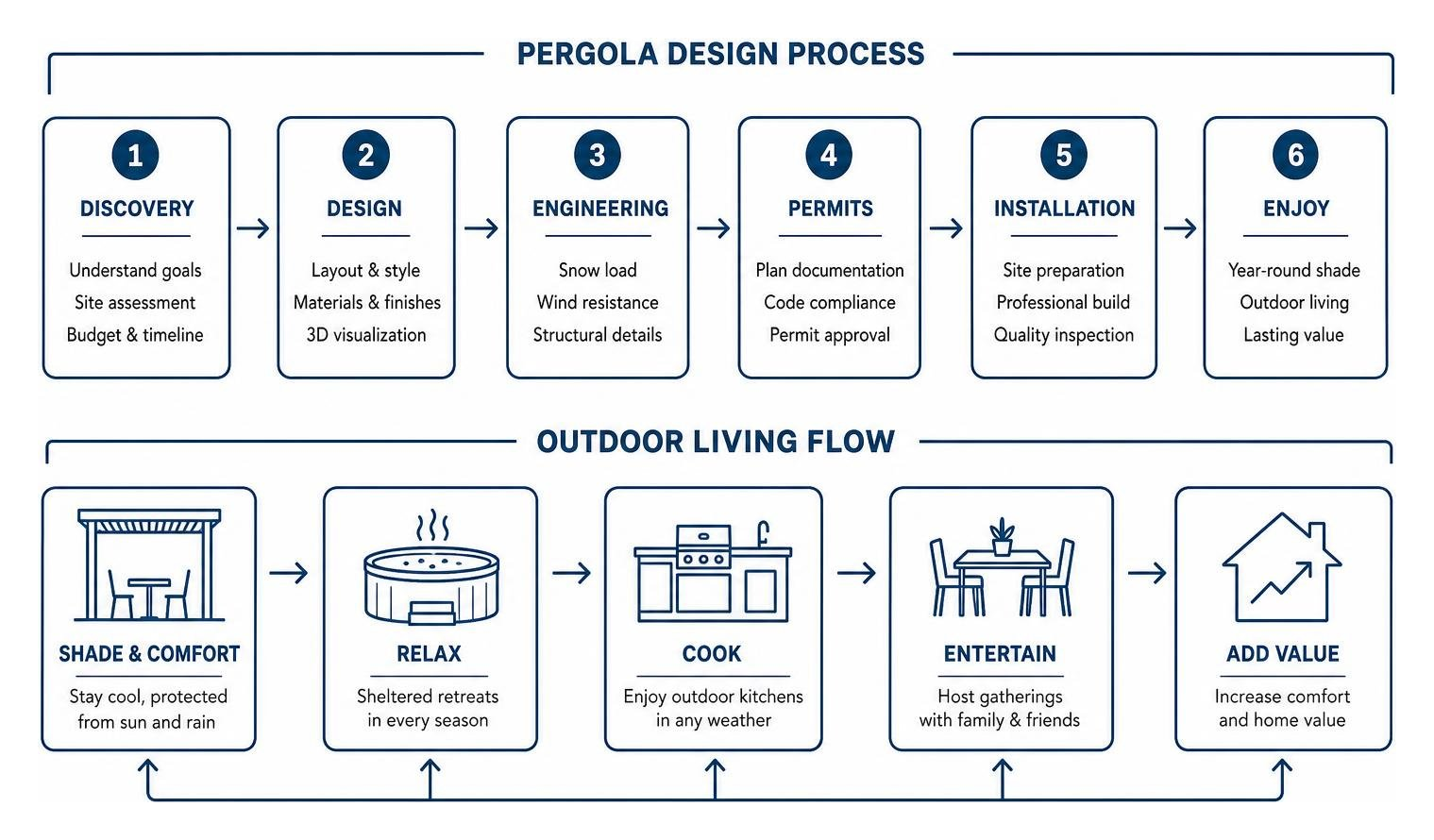
Integrating shade structures with existing yard features opens up endless entertainment possibilities:
- Patio and Deck Extensions: Seamlessly blend living rooms with outdoor spaces by anchoring posts directly to reinforced footings alongside wood or composite decking. To learn more about integrating these surfaces, check out our guide on Decks And Pergolas.
- Hot Tub Shelters: Create private, sheltered retreats around hot tubs so you can comfortably soak during snowy winter evenings without getting blasted by falling snow or freezing wind.
- Outdoor Kitchen Protection: Cover outdoor grills, prep counters, and pizza ovens so you can cook comfortably out of direct sunlight and summer rain showers.
- Landscaping Integration: Frame garden paths, accent water features, or incorporate privacy screens to establish distinct “zones” within larger backyard properties.
Evaluating Pergola Materials and Styles for Utah Homes
Selecting the proper construction material is arguably the most important decision you will make during the design phase. Each option delivers different trade-offs regarding visual style, structural longevity, and ongoing maintenance demands.
- Real Wood (Cedar, Redwood, Treated Pine): Natural wood offers timeless aesthetic warmth and traditional charm. However, in Salt Lake City’s dry heat and freezing winters, wood requires frequent staining, sealing, and sanding every one to two years to prevent rot, splintering, warping, and insect damage.
- Vinyl/PVC: Vinyl provides decent moisture resistance and low ongoing effort, but lower-quality plastics can become brittle and crack when exposed to extreme freezing temperatures or expand visibly in extreme July heat.
- Extruded Aluminum & Alumawood: Engineered aluminum systems featuring realistic woodgrain finishes (like Alumawood) combine the classic visual warmth of timber with the structural toughness of metal. Aluminum never rots, warps, cracks, or burns, and it requires virtually no maintenance beyond an occasional rinse with a garden hose.
- Adjustable Louvered Roofs: Louvered systems feature motorized or manual slats that rotate 180 degrees. They allow you to open the roof for full sunshine, angle the slats for partial shade, or close them tightly to block unexpected rain and snow showers.
| Feature / Performance Metric | Traditional Wood Pergola | Engineered Alumawood Pergola |
|---|---|---|
| Maintenance Requirements | High (Stain/Seal every 1-2 years) | Extremely Low (Occasional wash) |
| Rot & Termite Resistance | Vulnerable over time | 100% Resistant |
| Snow & Weather Durability | Prone to warping/cracking | Engineered for high load capacity |
| Color Retention | Fades quickly under intense UV | Baked-on finish resists fading |
| Structural Longevity | 10–15 years with upkeep | Lifetime performance |
Custom Builds Versus Pre-Fabricated Pergola Kits
When shopping for patio covers, homeowners often debate whether to purchase pre-fabricated boxed kits or invest in professionally engineered custom builds.
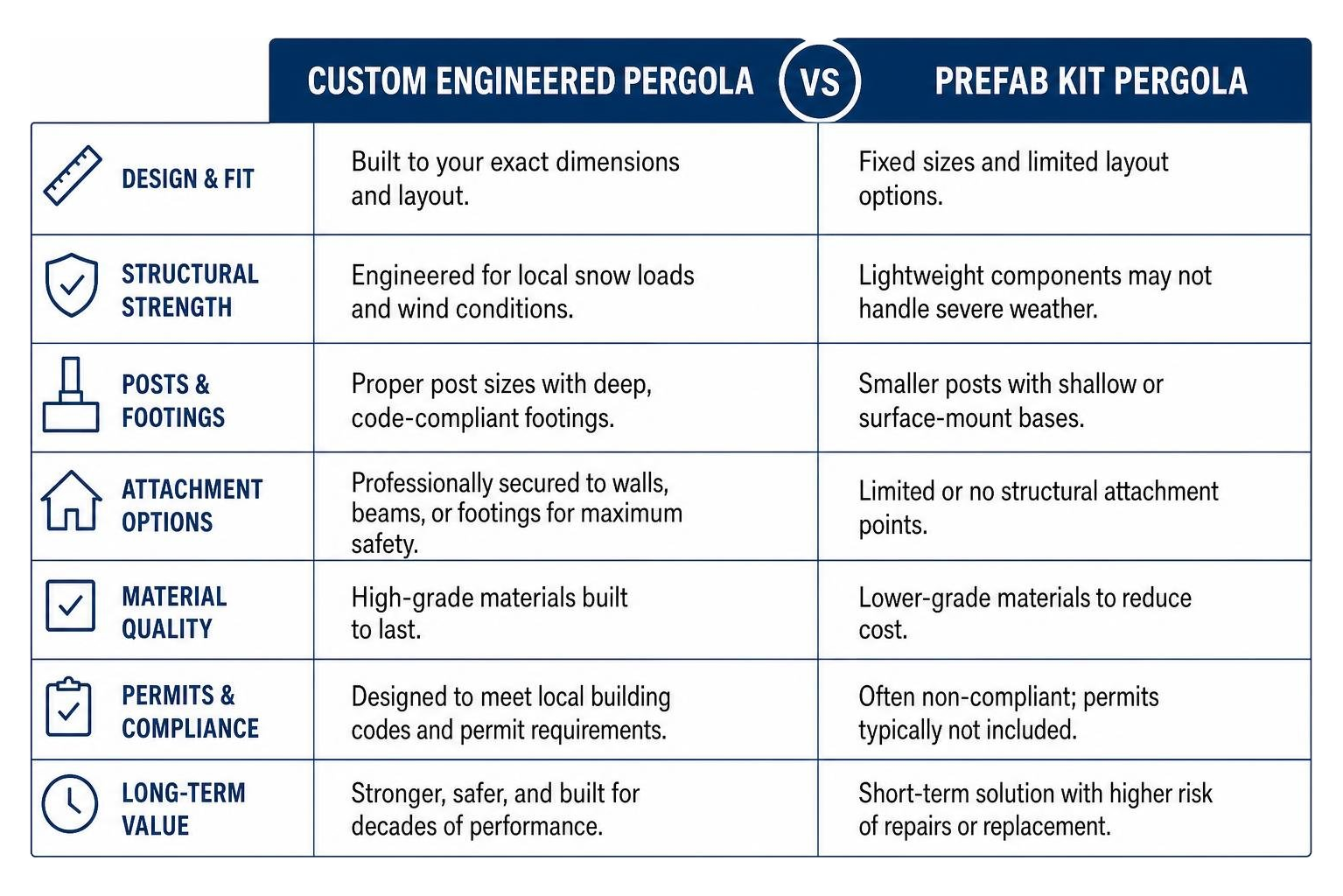
Pre-built kits usually come in fixed dimensions, such as a basic Pergola Kits 6M X 3M format. While lightweight kits might appeal to handymen seeking short-term shade solutions, they often lack the post thickness, structural footings, and load ratings required to survive heavy Wasatch snow accumulation or high canyon wind gusts.
Custom-built shade structures are specifically designed for your property’s exact square footage, structural attachment points, and wind load demands. Professional builders evaluate soil conditions, footers, wall studs, and roof overhangs to ensure total safety and long-term durability. To understand how custom aluminum systems deliver maximum value, view our detailed Ultimate Custom Alumawood Pergola Guide.
Cost Factors and Building Permits in Salt Lake City
The overall investment required to build a patio structure depends on several factors specific to your location and design preferences. Because every backyard footprint and home layout is unique, professional installation costs vary based on scope, engineering requirements, and site preparations rather than a one-size-fits-all price tag.

Key factors influencing overall project investment include:
- Overall Dimensions & Height: Larger footprints demand more structural support posts, beams, lattice tubes, and concrete footings.
- Material Quality & Grade: Heavy-gauge structural aluminum and Alumawood systems involve a higher material standard than thin boxed kit metals, but deliver decades of maintenance-free performance.
- Site Preparation & Footings: Installing on an unpaved grass lawn requires digging deep footers beneath the regional frost line and pouring solid concrete pads. Attaching to an existing sound concrete patio slab may streamline groundwork.
- Custom Electrical & Accessories: Integrating ceiling fans, low-voltage recessed LED lights, integrated heaters, or motorized drop shade screens increases labor and electrical wiring requirements.
Navigating Local Utah Permits and Code Compliance
Building codes across Salt Lake County, Utah County, Davis County, and Summit County exist to protect homeowner safety. In most municipalities—including Salt Lake City, West Jordan, Sandy, Orem, and Ogden—permanently installed yard structures larger than 120 square feet or attached directly to a home structural wall require official building permits and inspections.
Key regulatory elements to review include:
- Property Setbacks: Municipal zoning laws mandate specific distances between your pergola structure and side or rear property boundary lines.
- Frost Line Footings: Salt Lake Valley building codes typically mandate that structural post footings descend below the established frost depth (usually 30 inches or deeper) to prevent ground heave during freeze-thaw cycles.
- Snow Load Engineering: Attached structures must be rated to support regional ground snow loads calculated by local building departments.
- HOA Rules: Many residential master-planned communities across Bountiful, Herriman, Lehi, and Draper enforce architectural control committee guidelines regarding roof colors, height limits, and construction materials.
For deeper insights into budgeting and planning across Northern Utah, review our resource on Pergola Cost Utah Complete Guide. If you reside in southern Salt Lake County, check out our localized guide for Pergola Installation Draper Ut Guide 2026.
How to Choose the Best Local Pergola Installers
Choosing the right partner to construct your patio shade system is just as crucial as selecting top-tier materials. A poorly anchored cover can pose serious safety hazards during high-wind events or sudden snowstorms.
When evaluating local contractors, look for established businesses with deep roots in the regional community. A contractor who understands Northern Utah weather patterns will construct footers, post mounts, and roof connections designed to endure decades of heavy snow and baking summer sun. Verified licensing, active general liability insurance, and comprehensive worker’s compensation coverage are non-negotiable requirements before letting anyone begin work on your property.
Key Questions to Ask Your Installation Contractor
To ensure a smooth experience from initial consultation to final inspection, ask potential installers these essential questions:
- Are you licensed, bonded, and fully insured to operate in Utah? Verify contractor licensing through the Utah Division of Professional Licensing (DOPL).
- Do you handle the complete municipal permit process? A professional installer will manage engineering drawings, plan submittals, and building inspections on your behalf.
- What specific material brand do you install, and why? Look for proven materials like genuine Alumawood that come backed by manufacturer warranties.
- What structural and craftsmanship warranties do you offer? Ensure you receive written guarantees covering both the material finishes and installation workmanship.
- How long will the physical site installation take once permits are approved? Clear timelines keep your backyard renovation on schedule.
To explore more vetting criteria and contractor tips, consult our helpful resource on Pergola Builders Near Me Complete Guide.
Frequently Asked Questions About Salt Lake City Pergolas
Do I need a permit for a pergola in Salt Lake City?
In most cases, yes. Small freestanding decorative structures under 120 square feet might be exempt from full permits in certain jurisdictions, but any structure attached directly to a home, containing electrical wiring, or exceeding size thresholds requires a permit from the Salt Lake City Department of Community and Neighborhoods (or your local municipality). Permit reviews ensure proper setback distances, structural footings beneath the frost line, and adequate snow load ratings.
How much ROI does a pergola add to a Salt Lake City home?
Adding a custom, low-maintenance shade structure to a Utah home consistently yields high returns. Local real estate benchmarks show that quality outdoor living spaces can return 50% to 80% of their cost in added property equity upon resale. Furthermore, because over 60% of buyers consider functional shade a top priority in our sunny climate, homes with custom patio covers frequently sell faster than properties with hot, exposed backyards.
What material handles Utah winters best?
Engineered aluminum and Alumawood systems handle Wasatch Front winters far better than traditional wood or standard vinyl. High-grade aluminum does not absorb moisture, eliminating freeze-thaw splitting, rot, and rust. When combined with baked-on enamel finishes, aluminum handles heavy snow accumulation and moisture without warping or requiring annual painting and sealing.
Conclusion
Creating an inviting, climate-resilient outdoor living area starts with choosing the right design, low-maintenance materials, and experienced local builders. At Awnings Unlimited, our family-owned business has helped Northern Utah homeowners transform hot backyards into cool, comfortable retreats since 1976. Whether you want to shade a sunny deck, protect a hot tub area, or build a custom entertainment patio, our team delivers superior Alumawood products, professional installation, and industry-leading warranties.
Ready to bring long-lasting shade and comfort to your backyard? Visit our main showcase for Pergolas Salt Lake City Utah or contact our team today to get a quote on your custom outdoor project!