

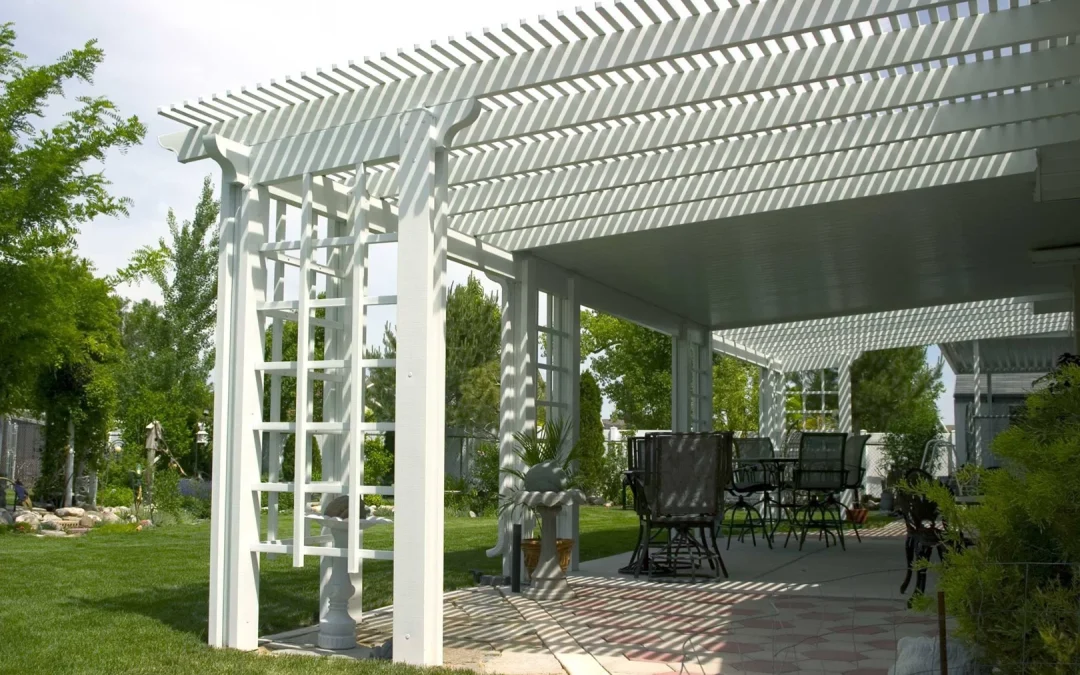
Why a Lattice Roof Patio Is the Upgrade Your Backyard Needs
A lattice roof patio cover is one of the most popular ways to add shade, style, and comfort to your outdoor space — without blocking out all the light and air.
Here’s a quick summary of what makes lattice patio covers stand out:
- Shade level: 50–70% filtered shade, depending on beam spacing and sun angle
- Best for: Homeowners who want partial shade, natural breezes, and an open, airy feel
- Top material: Aluminum (Alumawood) — low maintenance, durable, and available in wood-grain finishes
- Typical cost: Around $25/sq ft for aluminum; around $50/sq ft for wood
- Installation options: Wall-attached, roof-mounted, or freestanding
- Key benefit over solid covers: Better airflow, natural light, and a more open, decorative look
Whether you want a cozy garden retreat, an al fresco dining spot, or a poolside hangout, the right lattice cover design can completely transform your backyard.
That’s exactly what this guide is about — real design ideas you can actually use.
At Awnings Unlimited, we’ve been designing and installing custom lattice roof patio covers across Northern Utah since 1976, helping homeowners find the perfect balance of shade, durability, and curb appeal. We’ll walk you through the best design options so you can find the right fit for your home.
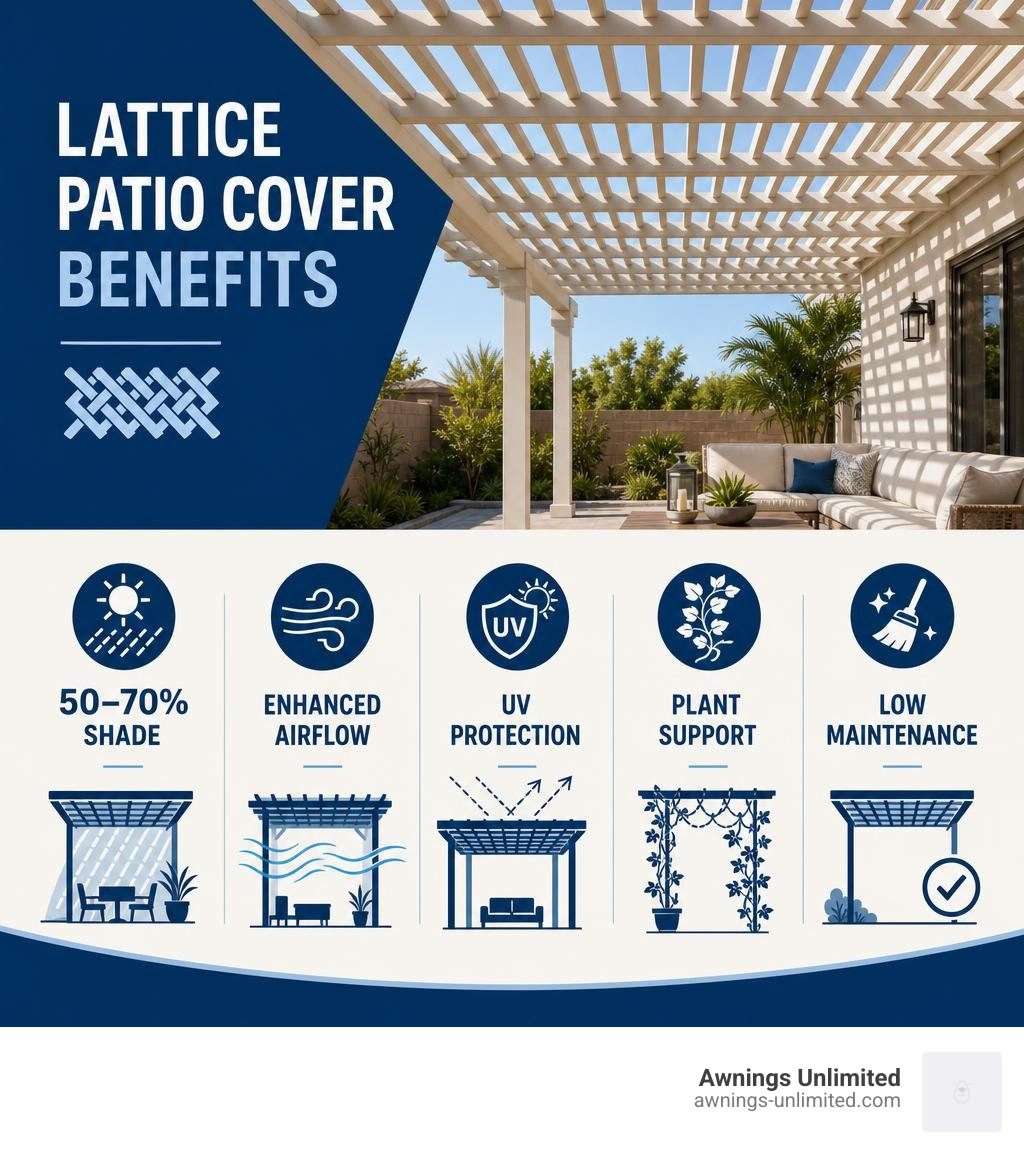
Understanding the Lattice Roof Patio Cover
When you start looking at ways to shade your backyard, you will quickly notice that not all patio covers are created equal. A lattice roof patio cover features an open-slat roof design. Instead of a solid, continuous sheet of material, it utilizes evenly spaced beams, rafters, and lattice tubes (usually 2×2 or 3×3 inches) running perpendicular to each other.
This grid-like layout creates a beautiful, filtered light effect. It is a highly architectural style that defines your outdoor room while keeping you connected to the sky above. If you want to dive deeper into how these structural systems are designed, check out our Lattice Awnings Complete Guide.
Lattice vs. Solid Roof Patio Covers
The choice between a solid roof and a open-slat lattice cover usually comes down to how you plan to use your outdoor space and what kind of weather protection you need.
A solid roof patio cover provides total shade and complete, 100% protection from rain and snow. It essentially turns your patio into a true extension of your home’s indoor ceiling. It is perfect if you want to set up an outdoor television, plush fabric couches, or a full outdoor kitchen that must stay completely dry year-round.
A lattice roof, on the other hand, is all about airflow, natural light, and design flexibility. It blocks the harsh, direct overhead sun while allowing warm light to filter through, preventing your patio from feeling dark or cave-like.
Can’t decide? Many homeowners opt for combination patio covers. These smart designs combine a solid roof over one section (like an outdoor dining table or grill) and transition into a beautiful open lattice cover over a lounge area or garden path.
| Feature | Solid Roof Patio Cover | Lattice Roof Patio Cover | Combination Patio Cover |
|---|---|---|---|
| Shade Level | 100% Full Shade | 50% to 70% Filtered Shade | Customizable (Zones of 100% and 50-70%) |
| Rain & Snow Protection | Complete protection; keeps patio dry | Filters rain to a mist; lets snow pass | Dry zones under solid sections |
| Airflow & Ventilation | Can trap heat on hot days | Excellent; hot air escapes easily | Balanced airflow throughout the space |
| Natural Light | Blocks all overhead light | Bright, airy, and natural | Bright margins with a shaded core |
| Best Use Case | Outdoor kitchens, TVs, full dining | Gardens, pools, breezy lounge areas | Multipurpose outdoor living rooms |
The Benefits of a Lattice Roof Patio
Installing a lattice roof patio cover comes with a long list of lifestyle benefits:
- Natural Light Filtration: You get the perfect balance of light. It blocks the blinding glare—making it comfortable to read a book or look at your phone screen—while keeping your patio bright and welcoming.
- Passive Cooling Ventilation: Because the roof is open, hot air isn’t trapped. It naturally rises and escapes through the slats (often referred to as a chimney effect), pulling in a fresh breeze.
- UV Protection: It shields you and your outdoor furniture from harmful UV rays, preventing your patio cushions and deck materials from fading prematurely.
- Stunning Aesthetic Appeal: The geometric shadow patterns cast by a lattice roof change throughout the day, creating a dynamic, high-end look that instantly boosts your home’s curb appeal.
Choosing the Right Materials for Your Shade Structure
Your choice of material will dictate how much time and money you spend maintaining your patio cover over the next few decades. Before making a decision, it is wise to read up on the basics in our guide on Patio Covers 101 Materials Styles and Maintenance Tips.
Wood vs. Alumawood and Aluminum
For decades, wood was the standard choice for pergolas and patio covers. It offers a classic look, but it comes with a heavy maintenance tax.
Wood is highly susceptible to wood rot, warping, cracking, and termite damage. To keep a wood patio cover looking good along the Wasatch Front, you will need to scrape, sand, paint, or stain it every two to three years. Furthermore, wooden lattice patio covers are expensive—generally running in the $50 per square foot range due to the intense labor, structural footings, and painting required.
Enter Alumawood and high-quality aluminum. Alumawood is engineered aluminum that has a realistic wood-grain texture embossed directly into it, finished with a tough, baked-on enamel coating. It gives you the warm, rich look of real wood but is completely maintenance-free. It won’t rust, warp, peel, rot, or attract termites.
Even better, Alumawood runs almost half the cost of wood (around $25 per square foot or less), making it a much smarter financial investment for Utah homeowners.
Vinyl and Composite Alternatives
Vinyl (PVC) and composite materials are also available on the market.
Vinyl lattice is lightweight, highly resistant to moisture, and never needs to be painted. However, in areas with extreme temperature swings—like Northern Utah’s freezing winters and blazing hot summers—inexpensive vinyl can become brittle and crack. It also lacks the structural strength of aluminum, meaning it cannot span long distances without sagging.
Composite materials (a blend of wood fibers and plastic) offer good durability and insect resistance, but they are heavy, expensive, and can still suffer from minor thermal warping over time. For structural longevity and zero-maintenance peace of mind, powder-coated aluminum remains the gold standard.
Inspiring Design Ideas and Customization Options
Your patio should feel like a natural extension of your home’s architecture. Modern manufacturing allows you to customize almost every element of your shade structure. To see some of the stunning projects we’ve built, take a look at our collection of Lattice Patio Cover Designs.
Customizing Your Lattice Roof Patio
A lattice roof patio cover is a blank canvas for your backyard creativity. Here are some of the most popular ways our clients customize their spaces:
- Outdoor Lighting: We can run hidden wiring through hollow aluminum beams to install gorgeous LED downlights, modern sconces, or even hanging bistro string lights to create a warm evening glow.
- Climbing Plants: The open-slat structure is perfect for supporting climbing vines like wisteria, clematis, or jasmine. Over time, these plants weave through the lattice, creating a lush, fragrant, living canopy that provides natural cooling.
- Retractable Shades: If you want the option of total shade or wind protection on demand, you can integrate retractable fabric shades or drop curtains. These can be pulled down on hot afternoons and rolled away when you want to stargaze.
For design inspiration showcasing how a lattice roof can integrate beautifully with a deck, check out this stunning Pergola Covered Deck: Lattice Full Wrap Cantilever Roof on Houzz.
Rafter Tails, End Cuts, and Color Palettes
The small details are what make your neighbors stop and stare. The ends of your patio beams and rafters can be cut into decorative profiles to match your home’s style:
- Scallop Cut: A curved, traditional design that adds a soft, classic touch.
- Corbel Cut: A highly detailed, blocky cut that mimics historic timber construction.
- Miter Cut: A clean, 45-degree angle that offers a crisp, transitional look.
- Bevel Cut: A simple, modern angled cut that fits contemporary homes perfectly.
You are also no longer limited to basic white. High-quality Alumawood systems come in a gorgeous palette of baked-on colors designed to complement any home exterior. Popular choices include:
- Siennawood & Maplewood: Warm, rich tones that mimic natural stained timber.
- Driftwood & Beachwood: Soft, sandy neutrals that look beautiful in modern and coastal-inspired yards.
- Slate & Pewter: Cool, sophisticated grays that pair perfectly with stone accents.
- Ebony: A bold, ultra-modern black that creates a striking architectural statement.
Installation Methods and Structural Engineering
Building a patio cover that lasts decades requires precise engineering and the right installation method for your home’s layout. If you are a handy DIYer looking to understand the mechanics of how these structures go together, you can read this Easy Guide: Installing Lattice On Patio Rafters by ShunShelter.
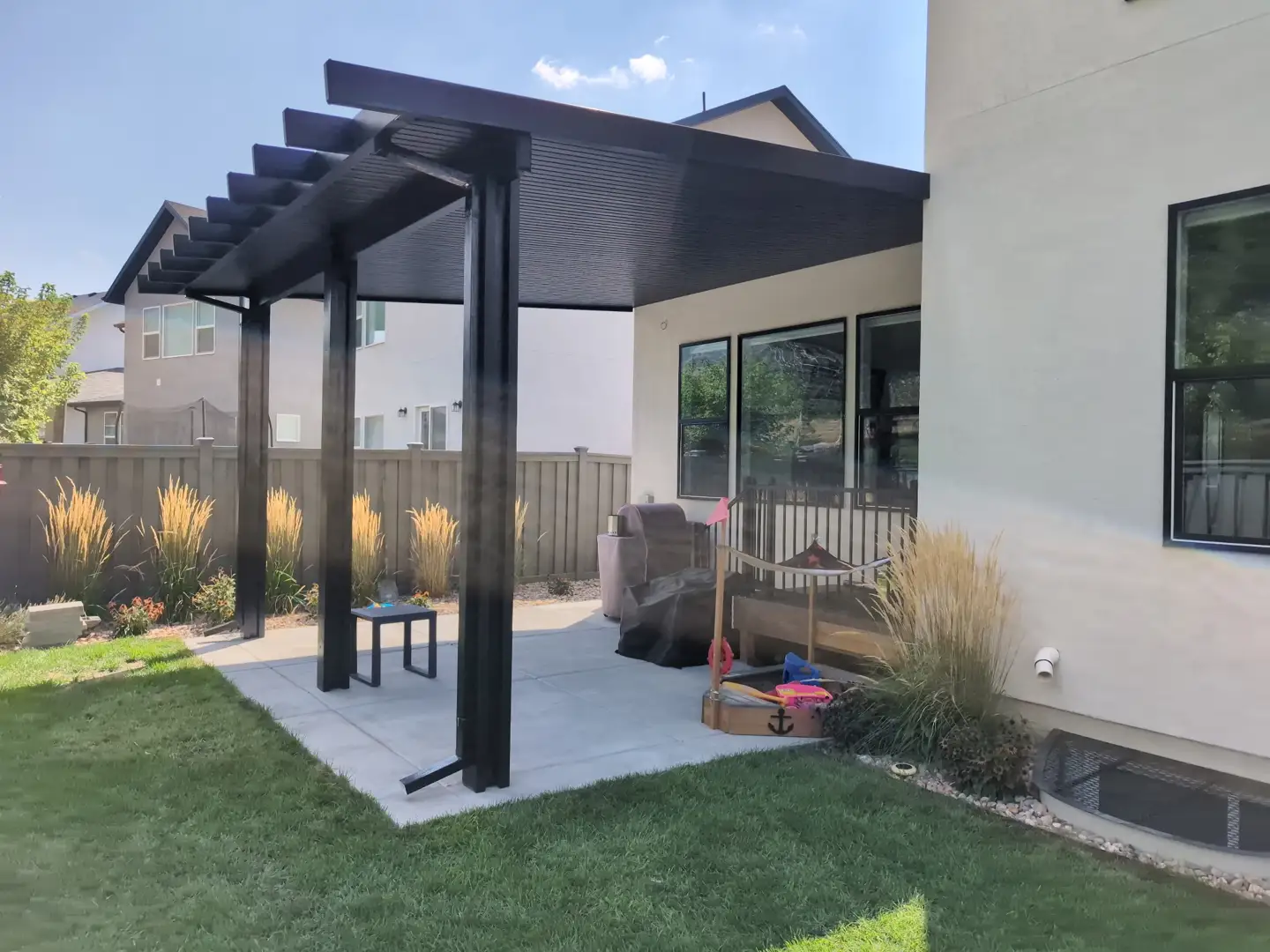
Attached vs. Freestanding Configurations
There are two primary structural layouts for a lattice roof patio:
- Attached Patio Covers: One side of the patio cover is structurally anchored to your home’s wall studs or roof rafters, while the outer edge is supported by posts. This creates a seamless transition from your indoor living space to your outdoor retreat.
- Freestanding Structures: Supported entirely by its own posts (usually four or more), a freestanding lattice cover can be placed anywhere in your yard. This is the perfect option for creating a shaded poolside lounge, a quiet garden retreat, or a designated fire pit area away from the main house.
Roof-Mounted and Wall-Mounted Systems
For attached covers, how the structure connects to your home is critical.
A wall-mounted system attaches directly to your home’s exterior wall using a heavy-duty ledger board. This works beautifully if you have plenty of vertical wall space.
However, if your home has low eaves or a single-story roofline, a wall mount might make the patio ceiling feel uncomfortably low. In these cases, we use a roof-mounted system. Using specialized, leak-proof brackets, we anchor the patio cover structural posts directly into your home’s roof trusses above the gutter line. This raises the patio ceiling height, allowing for better airflow, more natural light, and a much more spacious feel.
Weather Performance and Climate Considerations
Living along the Wasatch Front means our outdoor structures have to deal with intense weather. From blistering summer heat in St. George and Sandy to heavy snowpack in Park City, a patio cover must be built to last.
Wind, Snow, and Rain Resistance
A common concern is whether an open lattice cover can handle winter weather. Because of the open-slat design, wind passes right through the structure rather than lifting it like a sail. Our custom aluminum lattice covers are engineered to handle up to 120 mph winds, making them incredibly stable during severe storms.
When it comes to snow, the open design allows a significant portion of the snowfall to pass right through to the ground, preventing massive, dangerous snow loads from accumulating on top of the structure. For the snow that does rest on the rafters, our heavy-duty aluminum framing is structurally calculated to meet or exceed local Utah building codes for snow load capacity.
As for rain, while a lattice cover won’t keep you dry during a heavy downpour, the closely spaced slats do a surprising job of breaking up raindrops, reducing a light rain to a gentle, pleasant mist.
Passive Cooling and Airflow Dynamics
In the heat of July and August, solid patio covers can sometimes act like a lid, trapping hot air underneath and making your patio feel stuffy.
A lattice roof patio utilizes natural convection. As the sun heats the patio floor, the hot air naturally rises. Because the roof has open slats, this hot air escapes freely into the atmosphere. This “chimney effect” draws cooler air in from the sides, creating a continuous, gentle breeze. This passive cooling design can actually reduce the temperature on your patio by 10 to 20 degrees, making hot summer afternoons incredibly comfortable.
Frequently Asked Questions about Lattice Patio Covers
How much shade does a lattice patio cover provide?
A standard lattice cover provides 50% to 70% shade. The exact amount of shade is determined by the spacing of the lattice tubes and the angle of the sun. If you want more shade, we can space the tubes closer together (for example, using 2-inch tubes with 2-inch gaps). If you want more sunlight, we can space them further apart.
How much does a 10×20 lattice patio cover cost?
Pricing depends heavily on materials, customization, and whether you choose professional installation or a DIY kit.
- A standard 10′ x 20′ Alumawood lattice kit typically costs around $4,200 for the materials.
- Professionally installed aluminum lattice covers generally cost around $25 per square foot.
- Real wood covers are significantly more expensive, often running $50 per square foot or more due to the extensive labor, painting, and heavy structural engineering required.
Do I need a permit to install a lattice patio cover?
Yes, in most Utah municipalities (including Salt Lake City, Sandy, and West Jordan), any permanent outdoor structure requires a building permit. You will also need to check your local HOA guidelines.
When you work with a professional team, they will handle the entire permitting process for you, ensuring the engineering drawings, property setbacks, and footings comply with local building codes. If you want to learn more about what goes into the professional building process, check out our Patio Cover Builders Complete Guide.
Conclusion
A lattice roof patio cover is the perfect way to elevate your backyard, offering the ideal balance of filtered sunlight, continuous airflow, and high-end architectural style. By choosing durable, maintenance-free materials like Alumawood, you can enjoy a gorgeous outdoor retreat for decades without ever picking up a paintbrush.
Since 1976, Awnings Unlimited has been Northern Utah’s trusted expert for custom outdoor shade. From our home base in Salt Lake City, our family-owned business designs and installs top-tier patio covers across the Wasatch Front and beyond. We stand behind our work with professional installations, custom designs tailored to your home, and industry-leading warranties.
Ready to make your neighbors jealous? Explore our custom patio cover products or contact our team today to schedule your free design consultation!