

Why Choosing the Right Patio Cover Builders Matters
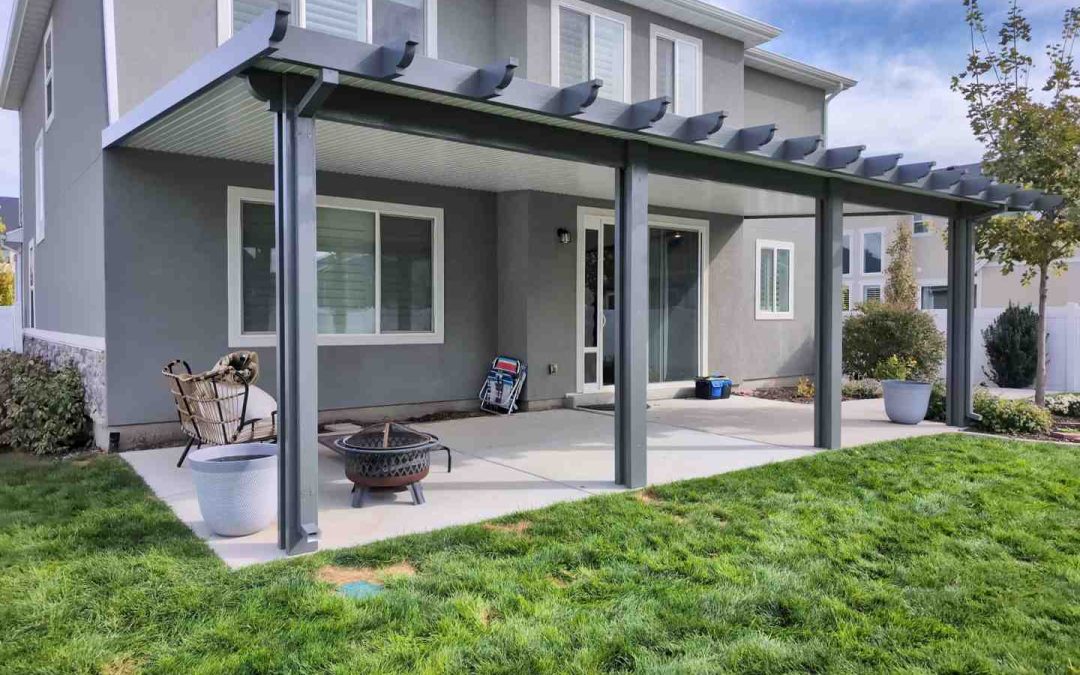
Patio cover builders specialize in structural awnings and patio covers that transform ordinary backyards into year-round outdoor living spaces, protecting you from sun, rain, and snow while adding significant value to your home. When searching for the right contractor, homeowners should focus on these key factors:
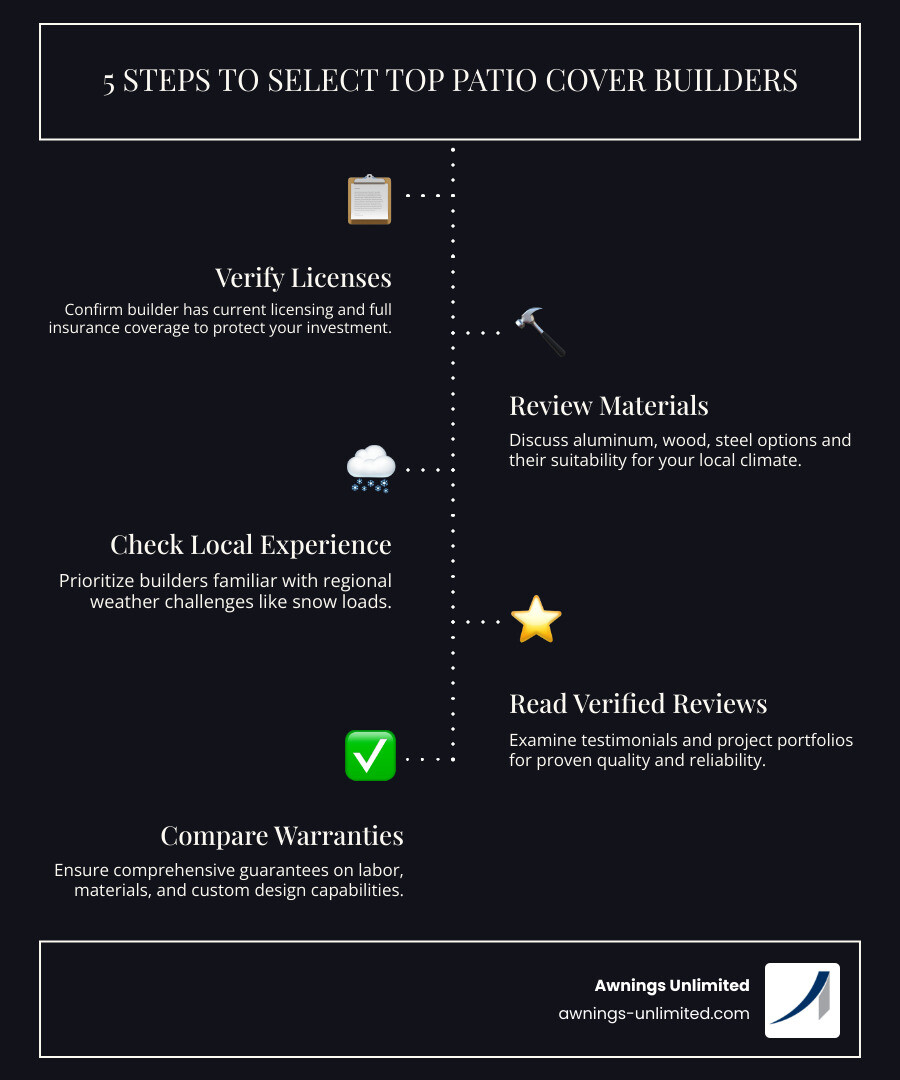
What to Look for in Patio Cover Builders:
- Licensing and Insurance – Verify current credentials and coverage through the Utah Division of Professional Licensing
- Material Expertise – Ask about aluminum, wood, steel, and composite options
- Local Experience – Choose builders familiar with regional climate challenges
- Verified Reviews – Check testimonials and completed project portfolios
- Warranty Coverage – Ensure comprehensive guarantees on labor and materials
- Custom Design Capability – Confirm they offer attached, freestanding, solid, lattice, and louvered styles
A custom structural patio cover does more than provide shade. It creates an additional outdoor room that extends your living space and reduces cooling costs by blocking solar heat. Lattice covers reduce sun exposure by 40-60% while still allowing breezes through. Solid roof covers offer complete weather protection with spans up to 20 feet. Louvered systems give you adjustable control with 160-degree motion to manage ventilation and light.
The right builder should offer a transparent process from design through installation. Most projects require local permits and engineering approval. Professional contractors handle this paperwork and coordinate with inspectors. They also ensure proper footings (typically 24″x24″x24″ with caged rebar for traditional structures) and integration with your home’s existing roofline and drainage.
Awnings Unlimited has served Northern Utah since 1976 as expert patio cover builders, specializing in durable Alumawood installations designed to withstand both scorching summers and harsh winter snow loads. We provide free estimates and work closely with homeowners to create custom outdoor spaces that match their home’s architecture and meet their specific needs.
Understanding the Types and Benefits of Custom Patio Covers
When you decide to upgrade your backyard, the first thing you’ll notice is that “one size fits all” definitely doesn’t apply here. As experienced patio cover builders, we’ve seen how the right choice in style can completely change the vibe of a home.

There are three primary styles of covers that most homeowners consider:
- Solid Roof Covers: These provide 100% shade and total protection from the rain and snow. If you want to use your patio during a summer thunderstorm or a light Utah snowfall, this is your best bet.
- Lattice Covers: These offer a “partial shade” experience. They are beautiful, adding a sophisticated architectural look to your home while reducing sun exposure by up to 60%.
- Louvered Roofs: These are the “best of both worlds.” With adjustable slats, you can open them for sun or close them tight when the clouds roll in.
Beyond just looking great, these structures offer tangible benefits. They act as a shield for your outdoor furniture, preventing the sun from fading your cushions and the rain from rotting your deck boards. Furthermore, a well-built structure can significantly lower your energy bills. By shading the windows and sliding glass doors of your home, you reduce the “greenhouse effect” that bakes your living room in July.
One of the most common questions we hear is, Do Custom Patio Covers Increase Home Value? The answer is a resounding yes. Appraisers and buyers alike view a professional custom patio as additional square footage. It’s an “outdoor room” that makes your property more attractive and functional than the house next door.
Versatile Design Options for Every Home
Design is where the fun begins! Your home has its own unique personality, and your patio cover should complement it. We generally categorize installations into two structural types:
- Attached Covers: These are physically connected to your home’s roofline or wall. They feel like a natural extension of the house and provide seamless transition from indoors to outdoors.
- Freestanding Covers: These stand on their own four (or more) legs. These are perfect for creating a “destination” in your yard, like a poolside retreat or a shaded spot over a fire pit in the corner of your garden.
You can also customize the ceiling styles. Some homeowners prefer a “flat” ceiling for a cozy, indoor feel, while others go for a “gabled” (pitched) roof to create a sense of grand, airy space. Matching the colors and textures to your existing siding and trim is a specialty of top-tier patio cover builders.
Maximizing Comfort with Adjustable Louvers
If you are a bit of a “control freak” when it comes to your environment (and let’s be honest, who isn’t?), louvered systems are a game changer. These systems feature louvers with a 160-degree range of motion.
This means you can track the sun throughout the day. In the morning, you can angle them to let in the light. In the heat of the afternoon, you can shut them for full shade. And if you’re grilling, you can tilt them slightly to allow smoke and heat to escape while still keeping the sun off your head. It’s the ultimate way to transform your outdoor space into a high-tech comfort zone.
Selecting the Best Materials for Durability and Style
Choosing the right material is the difference between a cover that lasts 30 years and one that becomes a maintenance nightmare in five.
| Material | Maintenance | Durability | Aesthetic |
|---|---|---|---|
| Aluminum/Alumawood | Extremely Low | High (Rust-proof) | Wood-like texture |
| Wood (Cedar/Pine) | High (Staining/Painting) | Moderate (Rot/Insects) | Natural/Rustic |
| Steel | Low | Very High (Strength) | Modern/Industrial |
While wood has a classic charm, many homeowners in the Wasatch Front are moving toward aluminum and Alumawood. Why? Because Utah weather is tough. Between the intense UV rays in the summer and the heavy snow in the winter, wood requires a lot of “TLC” (sanding, staining, and sealing) to keep from warping or rotting. Patio Covers 101: Materials, Styles, and Maintenance Tips often highlights that aluminum offers the best longevity for your dollar.
The Advantages of Aluminum and Alumawood
We are big fans of Alumawood. It’s an embossed aluminum that features a “MOCKWOOD™” texture, giving you the gorgeous look of cedar without the splinters or the termites.
The benefits are hard to beat:
- Eco-Friendly: Aluminum is often made from recycled materials and is fully recyclable itself.
- Low Maintenance: You don’t need to paint it. Ever. A quick spray with a garden hose is usually all the cleaning it needs.
- Durable: It won’t crack, peel, or rot. For those looking for low-maintenance patio covers, this is the gold standard.
Wood and Steel Structural Considerations
For some architectural styles, nothing beats the heavy, natural look of timber. If you go with wood, we recommend high-quality cedar for its natural resistance to insects. However, you must be prepared for the maintenance schedule.
Steel is another option, often used in commercial settings or ultra-modern residential designs. It offers incredible strength, which is a major plus for Utah patio covers that need to support heavy snow loads during a big winter storm in Park City or Ogden.
Why Hire Professional Patio Cover Builders?
It might be tempting to buy a “kit” from a big-box store and try a DIY weekend, but building a permanent structure attached to your home is a serious undertaking.
Professional patio cover builders bring several things to the table that a DIY project lacks:
- Structural Engineering: We ensure the posts and beams can actually handle the weight of the snow and the force of the wind.
- Licensing and Insurance: If a DIYer falls off a ladder or damages your roof, you’re on the hook. A professional company carries the necessary insurance to protect you and your property.
- Local Expertise: We know the specific building codes for Salt Lake City, Provo, and the surrounding areas.
Check out our guide on professional patio cover installation to see why the expertise of a seasoned crew is worth the investment.
How to Find Reputable Patio Cover Builders in Your Area
Don’t just hire the first name that pops up on Google. Do your homework!
- Check Verified Reviews: Look for companies with a long history of happy customers in your specific city, whether that’s Bountiful or Draper.
- View Their Portfolio: A reputable builder should be proud to show off their past work.
- Verify the Service Area: Ensure they actually have experience working in your local climate. A builder from California might not understand the snow load requirements for a home in Heber City.
What to Ask Your Patio Cover Builders Before Signing
Before you put pen to paper, ask these critical questions:
- “What kind of warranty do you offer on labor?” (At Awnings Unlimited, we take pride in our leading warranties).
- “Do you handle the permitting process?”
- “What is the estimated project timeline?”
- “What financing options are available?”
The Installation Process: From Permitting to Completion
A smooth installation is all about the “prep.” It’s not just about showing up with some beams and a drill.
The process generally follows these steps:
- Site Evaluation: Measuring the space and checking for utility lines.
- Design & Engineering: Finalizing the blueprints to ensure they meet local codes.
- Permitting: Submitting the plans to the city for approval. This can take anywhere from a few days to a few weeks depending on your location.
- Preparation: Setting the footings. For a traditional structure, this usually means 24″x24″x24″ holes filled with concrete and caged rebar to ensure the cover doesn’t go anywhere.
- Construction: The actual assembly of the frame and roof.
- Walkthrough: A final check to make sure everything is perfect.
You can read more about the installation process in our detailed guide.
Planning and Permitting Requirements
Don’t skip the permits! If you build without one, you might face fines, or worse, have to tear the structure down when you try to sell your house. Most HOA (Homeowners Associations) also have strict rules about colors and styles. Reputable patio cover builders will help you navigate these permitting requirements so you don’t have any headaches down the road.
Enhancing the Space with Custom Features
A patio cover is a “blank canvas.” Once the roof is up, you can start adding the features that make it a true cozy retreat:
- Integrated Lighting: Recessed LED lights or pendant lamps for evening ambiance.
- Ceiling Fans: To keep the air moving on those stagnant August afternoons.
- Outdoor Kitchens: Imagine flipping burgers under the shade of your new cover.
- Privacy Walls: To block the wind or the view of a nosy neighbor.
Maintenance and Longevity for Your Investment
Even the best patio cover needs a little love to stay in tip-top shape.
Maintenance is mostly about common sense. Regularly remove leaves and debris from the roof and gutters. If you have an aluminum cover, a simple wash with soap and water once or twice a year will keep the finish looking brand new. For wood, you’ll need to keep an eye out for any signs of peeling paint or wood rot. Proper patio cover maintenance ensures your investment lasts for decades.
Regional Climate Factors and Care
In Utah and Wyoming, snow is our biggest concern. While our structures are engineered for heavy loads, it’s always a good idea to clear off excessive snow after a record-breaking blizzard. Also, checking your drainage system every spring ensures that snowmelt flows away from your home’s foundation. Check out our seasonal maintenance tips for a full checklist.
Frequently Asked Questions about Patio Covers
What is the typical cost range for a custom patio cover?
Pricing varies wildly based on size and materials. A simple lattice cover will be more affordable than a fully insulated solid roof with integrated lighting and fans. Generally, aluminum is more cost-effective over time because you save thousands on maintenance and painting.
Are there financing options available for installation?
Yes! Many homeowners choose to finance their project to get the backyard they want now rather than waiting years to save up. Options often include 0% interest for a set period or low-interest home improvement loans.
What are common mistakes to avoid when planning a project?
The biggest mistake is underestimating the size. Most people wish they had gone just a few feet wider once they start putting their furniture under the cover. Also, never ignore the permit process or choose the cheapest materials—you’ll usually pay for it in repairs later.
Conclusion
Ready to take your backyard to the next level? Choosing the right patio cover builders for your structural project is the first step toward a more comfortable, valuable, and beautiful home. At Awnings Unlimited, we’ve spent nearly 50 years perfecting the art of the structural Utah patio cover. From Salt Lake City to Logan and down to Nephi, we are here to help you create the perfect structural shade solution.
Whether you want the wood-like beauty of Alumawood or the versatility of a louvered roof, our team is ready to build it right. Contact us today for a free estimate and let’s start planning your dream outdoor space!