

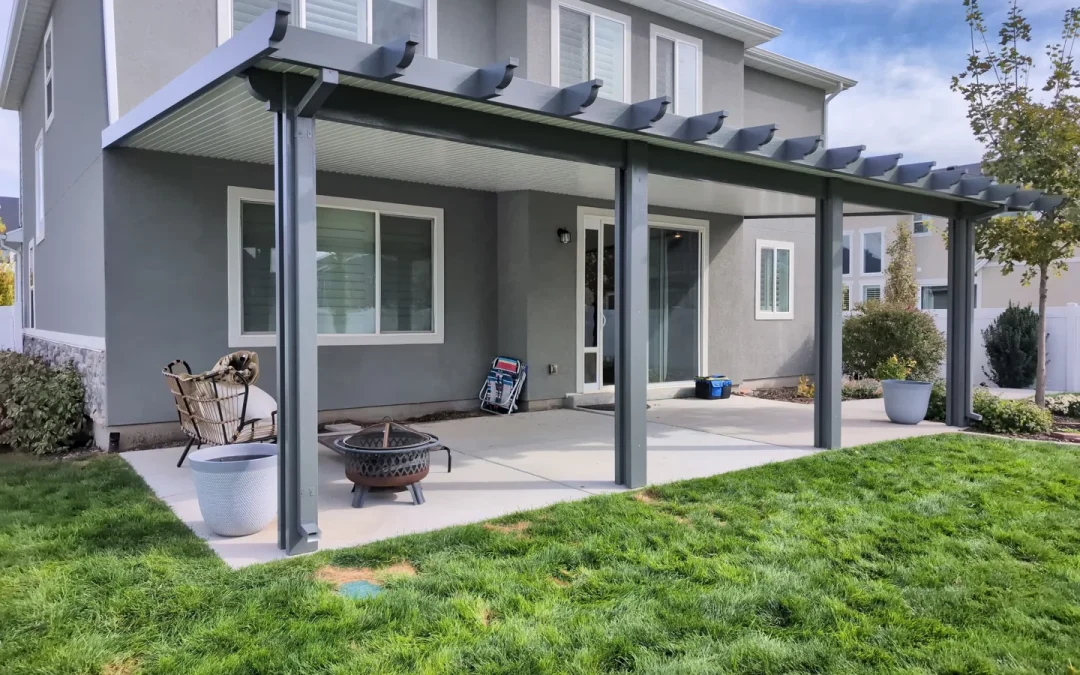
Why Hiring the Right Covered Porch Contractors Matters More Than You Think
Covered porch contractors specialize in structural awnings and patio covers that can make or break your outdoor living project — and knowing what to look for before you hire saves you time, money, and serious headaches.
Here’s a quick overview of what to know before you get started:
| What to Know | Quick Answer |
|---|---|
| What they do | Design and build structural awnings and patio covers attached to your home |
| Typical cost range | $18,000–$55,000+ depending on size, materials, and features |
| How long it takes | Usually 2–6 weeks on-site, plus 2–4 weeks for permits and approvals |
| Do you need a permit? | Almost always yes — a good contractor handles this for you |
| What to look for | Licensing, insurance, warranties, and local experience |
| Best materials | Alumawood, composite decking, pressure-treated lumber, or vinyl — depending on your climate |
A covered porch is one of the most sought-after home improvements in 2026 — and for good reason. It adds usable square footage, shields your outdoor space from sun and rain, and can meaningfully boost your home’s resale value. But the quality of the finished product depends almost entirely on who builds it.
Choosing the wrong contractor means structural problems, permit headaches, or a porch that looks like it doesn’t belong on your house. Choosing the right one means a custom outdoor retreat you’ll enjoy for decades.
At Awnings Unlimited, we’ve been helping Northern Utah homeowners transform their outdoor spaces since 1976 — nearly 50 years of expertise installing durable, custom patio covers and structural awnings built to handle everything from blazing summer heat to harsh winter conditions. As your local covered porch contractors resource, we’ll walk you through everything you need to make a confident, informed decision.
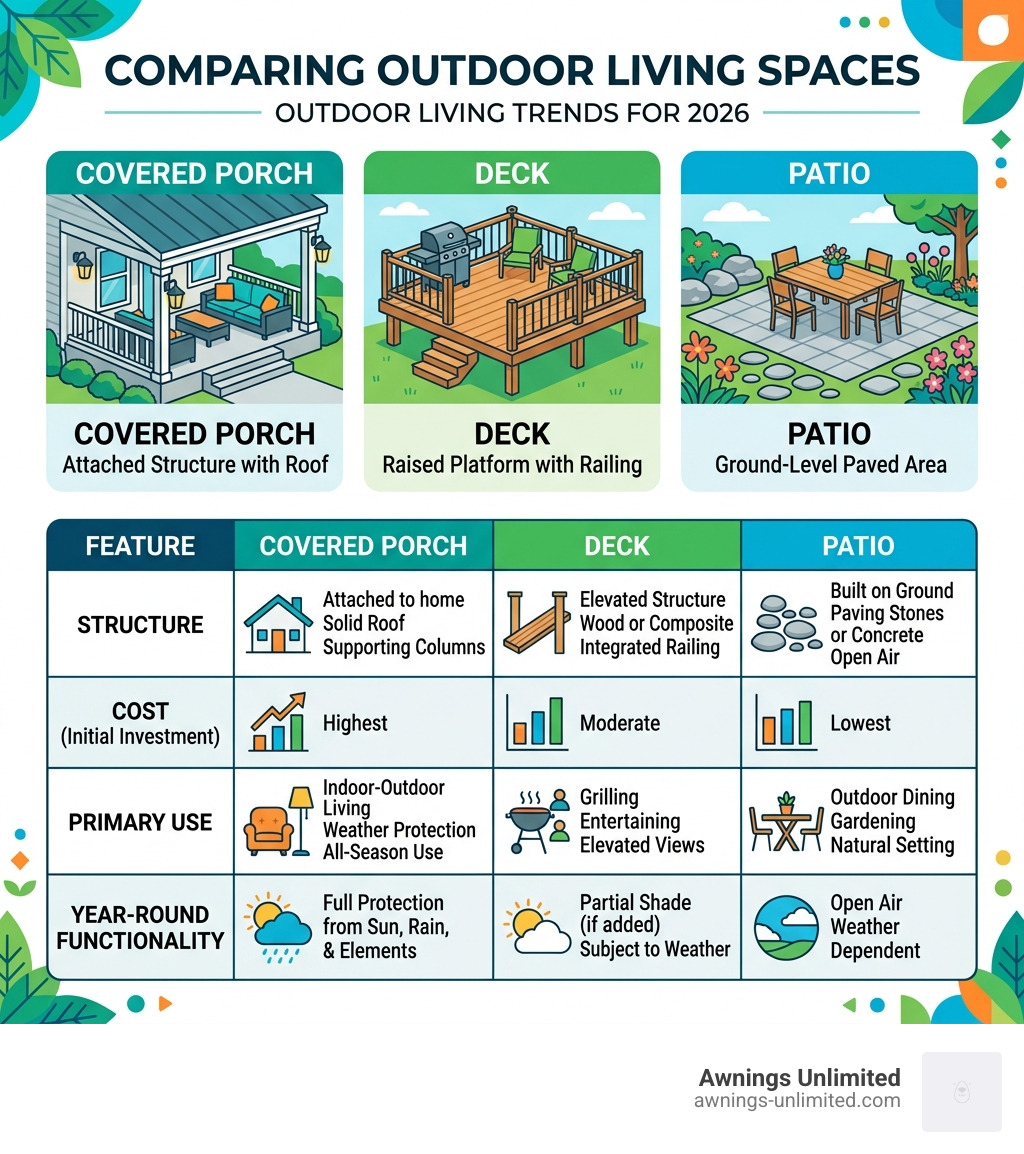
The Benefits of Investing in a Covered Porch
Investing in a covered porch is about more than just adding a roof over your head; it’s about reclaiming your backyard. In regions like the Wasatch Front, where the sun can be relentless in July and the snow heavy in January, a permanent structural awning is a game-changer.
First and foremost is weather protection. A solid roof structure blocks direct sunlight and keeps rain off your furniture. This creates a dry, shaded sanctuary that remains comfortable even during a summer downpour or a scorching afternoon. Beyond personal comfort, this protection extends the life of your outdoor furniture, grills, and decking materials by shielding them from harmful UV rays and moisture.
Furthermore, a well-designed porch significantly increases home resale value. In today’s market, buyers are looking for “turnkey” outdoor living. A custom porch that matches your home’s architecture isn’t just an add-on; it’s an extension of the floor plan. It expands your living space, providing a functional “outdoor room” for dining, entertaining, or simply enjoying a morning coffee in peace. For more in-depth details on how these structures function, check out Patio Covers 101: Materials, Styles, and Maintenance Tips.
Selecting the Best Styles and Materials for Your Climate
When you live in Utah or Wyoming, your porch needs to be tough. We deal with high-altitude UV exposure, significant snow loads in places like Park City or Heber, and the dry heat of the Salt Lake Valley. Choosing the right material is the difference between a porch that lasts 50 years and one that rots in ten.
Popular Styles
- Solid Roof Covers: These provide 100% shade and total protection from rain and snow. They are often designed to blend seamlessly with your existing roofline.
- Pergolas: These offer a “dappled” shade. While beautiful and classic, they don’t offer much protection from rain unless paired with a polycarbonate cover.
- Louvered or Motorized Roofs: These high-tech options allow you to adjust the slats. You can open them to let the sun in on a cool spring day or close them tight when a storm rolls in.
Material Comparison
While traditional wood (like Cedar) offers a rustic look, it requires constant staining and sealing to prevent warping in our dry climate. Vinyl is low maintenance but can become brittle over time with extreme temperature swings.
This is why we specialize in Alumawood. It gives you the embossed texture and beauty of wood but with the structural integrity of aluminum. It won’t burn, it won’t rot, and it never needs painting. It’s specifically engineered to withstand the heavy snow loads and high winds common in Northern Utah.
| Feature | Alumawood | Traditional Wood | Vinyl |
|---|---|---|---|
| Maintenance | Virtually Zero | High (Staining/Sealing) | Low |
| Durability | 40+ Years | 15-20 Years | 20-25 Years |
| Snow Load Capacity | Excellent | Good | Moderate |
| Weather Resistance | Won’t warp or rot | Susceptible to rot/pests | Can crack in cold |
To see why this material is a favorite for local homeowners, explore our guide on the Alumawood Patio Cover.
Understanding Project Costs and Financing Options
Talking about money isn’t always fun, but transparency is key to a successful build. The cost of hiring covered porch contractors varies based on several “moving parts.”
Factors Influencing Pricing
- Size and Scale: Naturally, a 10×10 portico costs less than a 20×40 wraparound porch.
- Material Choice: Premium materials like Alumawood or high-end composites have a higher upfront cost but save you thousands in maintenance over time.
- Roof Complexity: Attaching a new roof to an existing complex roofline requires more engineering and labor than a freestanding structure.
- Custom Features: Adding integrated LED lighting, ceiling fans, or outdoor kitchens will increase the total investment.
In general, screened or covered porches in high-demand areas often range from $18,000 to $55,000+. While this is a significant investment, the ROI (Return on Investment) for outdoor living spaces remains among the highest for home renovations.
To help make these dreams a reality, many reputable contractors offer financing options. This allows you to break the cost into manageable monthly payments, ensuring you don’t have to compromise on the quality of materials or the safety of the build just to fit a one-time cash budget.
Navigating the Design and Construction Process
A professional build isn’t just about swinging hammers; it’s about logistics. When you work with expert covered porch contractors, the process should be “turnkey,” meaning they handle the heavy lifting from start to finish.
- Initial Consultation & Site Assessment: We start by understanding how you intend to use the space. Do you want a quiet reading nook or a massive entertaining hub? We assess your home’s architecture, rooflines, and soil conditions.
- Design & Blueprints: Once a vision is set, detailed plans are drawn up. These aren’t just for you; they are required for structural engineering and city approvals.
- HOA & Permit Approvals: This is where many DIY projects fail. Most porch additions in cities like Sandy, Draper, or Orem require building permits. A professional contractor handles the paperwork, submits the 3D renderings to your HOA, and ensures everything meets the 2026 local building codes, which are often based on the International Residential Code.
- Construction: The on-site phase typically takes 2 to 6 weeks. This includes setting footings (sometimes using helical piers for problematic soils), framing, roofing, and electrical work.
- Final Walkthrough: Before the job is “done,” a final inspection ensures every bolt is tight and every finish is perfect.
For a deeper dive into what to expect during the build, see our Patio Cover Builders Complete Guide.
How to Vet and Hire Professional Covered Porch Contractors

Don’t just hire the person with the lowest bid. In construction, you often get exactly what you pay for. A “cheap” contractor might skip the permit process or use sub-par fasteners that rust within a year.
The Professional Checklist
- Licensing and Insurance: Ensure they are licensed in Utah and carry both general liability and workers’ compensation insurance. This protects you if an accident occurs on your property.
- Experience: Look for a company with a proven track record. For example, we’ve completed thousands of projects over five decades. That kind of longevity means we’ll actually be around to honor our warranties.
- Warranties: A reputable contractor should offer two types: a workmanship warranty (covering the labor) and a structural/manufacturer warranty (covering the materials).
- Local Knowledge: Utah has specific requirements for snow loads and seismic activity. A contractor from out of state might not realize that a roof in Park City needs to hold significantly more weight than one in St. George.
To ensure you’re hiring the best in the business, refer to our Patio Cover Installers Complete Guide.
Essential Questions to Ask Covered Porch Contractors
Before signing a contract, grab a clipboard and ask these five questions:
- Can I see your portfolio of local projects? (Look for homes similar to yours).
- Do you handle all the permitting and HOA approvals? (The answer should be a firm “Yes”).
- What is your cleanup procedure? (You don’t want nails in your lawn where kids or pets play).
- What is the payment schedule? (Never pay 100% upfront).
- Will there be a dedicated project manager on-site?
Why Local Expertise Matters for Covered Porch Contractors
Local contractors understand the “personality” of the region. They know the soil types in the Salt Lake Valley, the wind patterns in the canyons, and the specific community standards in neighborhoods like Alpine or Highland. They have established relationships with local permit offices, which can often speed up the approval process.
Maintenance and Custom Features for Longevity
Once your porch is built, you want it to stay beautiful. If you’ve chosen low-maintenance materials like Alumawood, your “to-do” list is short.
Maintenance Tips
- Annual Inspections: Check the connection points and gutters once a year to ensure no debris is causing water to back up.
- Routine Cleaning: A simple spray-down with a garden hose is usually enough to remove dust and pollen.
- Lubricate Moving Parts: If you have a motorized louvered roof, ensure the mechanisms are kept clean and lubricated according to the manufacturer’s specs.
For more tips on keeping your space pristine, check out Low Maintenance Patio Covers: Maintaining Your Outdoor Space.
Custom Features to Consider
To truly elevate your outdoor living, consider these “extras” during the design phase:
- Integrated Lighting: LED pot lights or dimmable sconces allow you to use the porch well into the evening.
- Ceiling Fans: Essential for keeping air moving on those stagnant, hot August afternoons.
- Outdoor Kitchens & Fireplaces: Transform your porch into a culinary hub or a cozy winter retreat.
- Retractable Screens: These can block insects or provide extra shade when the sun is low on the horizon.
Frequently Asked Questions about Covered Porches
Do I need a permit for a covered porch?
Yes. In almost every municipality across the Wasatch Front and Northern Utah, any structure that is attached to your home or exceeds a certain square footage requires a building permit. This ensures the structure is safe, can handle snow loads, and meets fire codes. Professional covered porch contractors will manage this entire process for you.
How long does it take to build a covered porch?
While the on-site construction usually takes 2 to 6 weeks, the “pre-game” phase is what catches people off guard. Design, engineering, HOA reviews, and city permit approvals can add another 2 to 4 weeks to the timeline. It’s best to start the process in late winter or early spring if you want to enjoy your porch by summer!
What is the difference between a covered patio and a screen enclosure?
A covered patio is an open-air structure with a solid roof. A screen enclosure (or screened porch) adds mesh walls to the structure. The main difference is airflow vs. protection. Screened porches are excellent for keeping out mosquitoes and flies, but they can slightly reduce the “open-air” feel. Covered patios offer more freedom of movement and are generally more economical.
Conclusion
A custom-covered porch is more than just a home improvement; it’s an investment in your quality of life. Whether you’re looking for a shaded retreat in Bountiful or a rugged, snow-ready structural awning in Park City, the key to success is hiring the right covered porch contractors.
At Awnings Unlimited, we pride ourselves on delivering quality craftsmanship and durable solutions that stand the test of time. We’ve spent nearly 50 years perfecting the art of the outdoor retreat, using materials like Alumawood that are built for the unique challenges of the Utah and Wyoming climate.
Ready to transform your backyard into the oasis you’ve always dreamed of? Explore our custom patio cover products and let’s start designing your perfect outdoor space today.