

Why It Matters to Protect Your Car From Snow
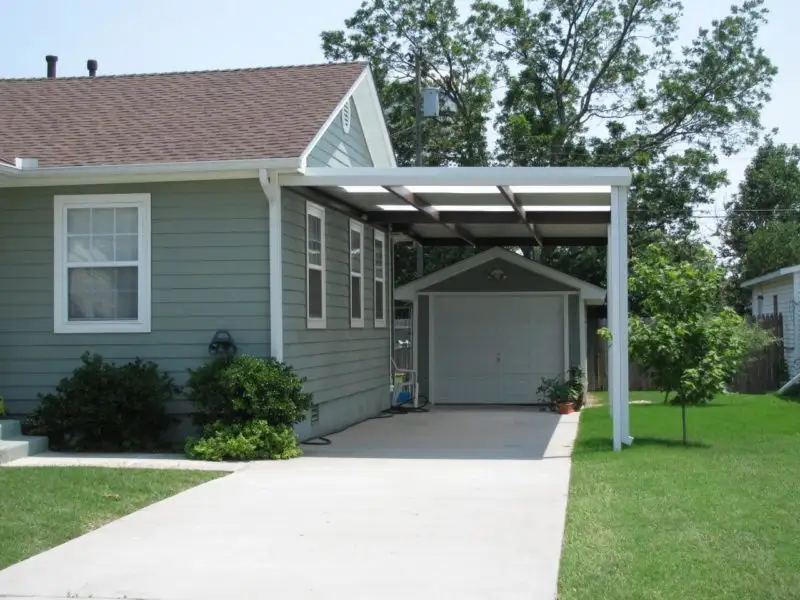
To protect car from snow, park it beneath a durable structural carport or patio cover whenever possible. An overhead shelter reduces snow and ice buildup on the roof, windshield, wipers, mirrors, and paint, while also cutting down on the time spent clearing your vehicle before a winter drive.
Snow alone is not always the main problem. Moisture, freezing temperatures, and road salt can contribute to frozen doors, reduced battery performance, scratched paint from improper snow removal, and corrosion underneath the vehicle. A properly designed structural cover gives your car a dependable first layer of defense before the storm arrives.
For homeowners without a garage, a custom carport or a patio cover extension can turn unused driveway space into practical winter protection. Unlike a temporary cover, a structural solution stays in place, provides overhead coverage, and can support year-round outdoor use when designed for local weather conditions.
At Awnings Unlimited, we have served Northern Utah since 1976 with custom Alumawood patio covers, carports, and structural awnings built for demanding winters. We help homeowners protect car from snow with durable structural coverage that fits their home, driveway, and outdoor-living goals.
Why You Need to Protect Your Car from Snow and Ice
When winter settles across the Wasatch Front and Northern Utah, heavy snow accumulation and plunging temperatures present serious risks to your vehicle. While many drivers assume that snow is just a minor morning inconvenience, the physical and mechanical strain it places on an unprotected automobile adds up quickly. Choosing a permanent, structural shade solution creates a reliable barrier between your vehicle and the harsher winter elements.
Direct exposure to snow and freezing rain damages your car in several subtle ways:
- Clear Coat and Paint Wear: Modern automotive clear coat finishes are surprisingly thin—often only 40 to 50 microns thick, which is roughly half the width of a human hair. When snow settles on your car, melts slightly during the day, and re-freezes overnight, it forms a hard ice shell. Scraping this ice off with plastic tools or pushing heavy snow off with stiff bristles can easily gouge the clear coat, causing swirl marks that cost hundreds of dollars to polish out.
- Windshield and Glass Stress: Temperature swings cause pre-existing micro-chips in windshield glass to expand into spiderweb cracks rapidly. Furthermore, heavy snow loads press down on wiper arms, stretching spring mechanisms or tearing rubber blades when they freeze directly to the glass.
- Corrosion and Moisture Trapping: Snow melting off your car creates pools of water that seep into door sills, handles, and power mirror housings. Combined with winter road salt, this trapped moisture accelerates underbody rust and corrodes electrical components.
- Overhead Hazards: Snow accumulating on tree branches or roof eaves directly above your driveway creates a risk of sudden snow dumps or falling icicles. A heavy drop can easily dent body panels, crush roof racks, or shatter rear windshields.
Installing an overhead structural shelter eliminates these worries at the source. An attached patio cover or a dedicated carport blocks falling precipitation entirely, keeping snow off your roof, glass, and hood. By keeping the vehicle dry underneath, you prevent ice from bonding to the surface in the first place. This matches the core winter driving safety strategies recommended in the Utah Highway Patrol winter driving safety guidelines, which emphasize clear visibility, clean vehicle surfaces, and proper winter preparation before hitting the road.
Furthermore, an overhead canopy preserves your morning routine. Instead of spending 15 minutes standing in freezing winds brushing off heavy powder or digging out door handles, you can simply step under your shelter, unlock your vehicle, and drive away safely.
Outdoor Shelter Solutions: Budget Structural Carports and Patio Covers
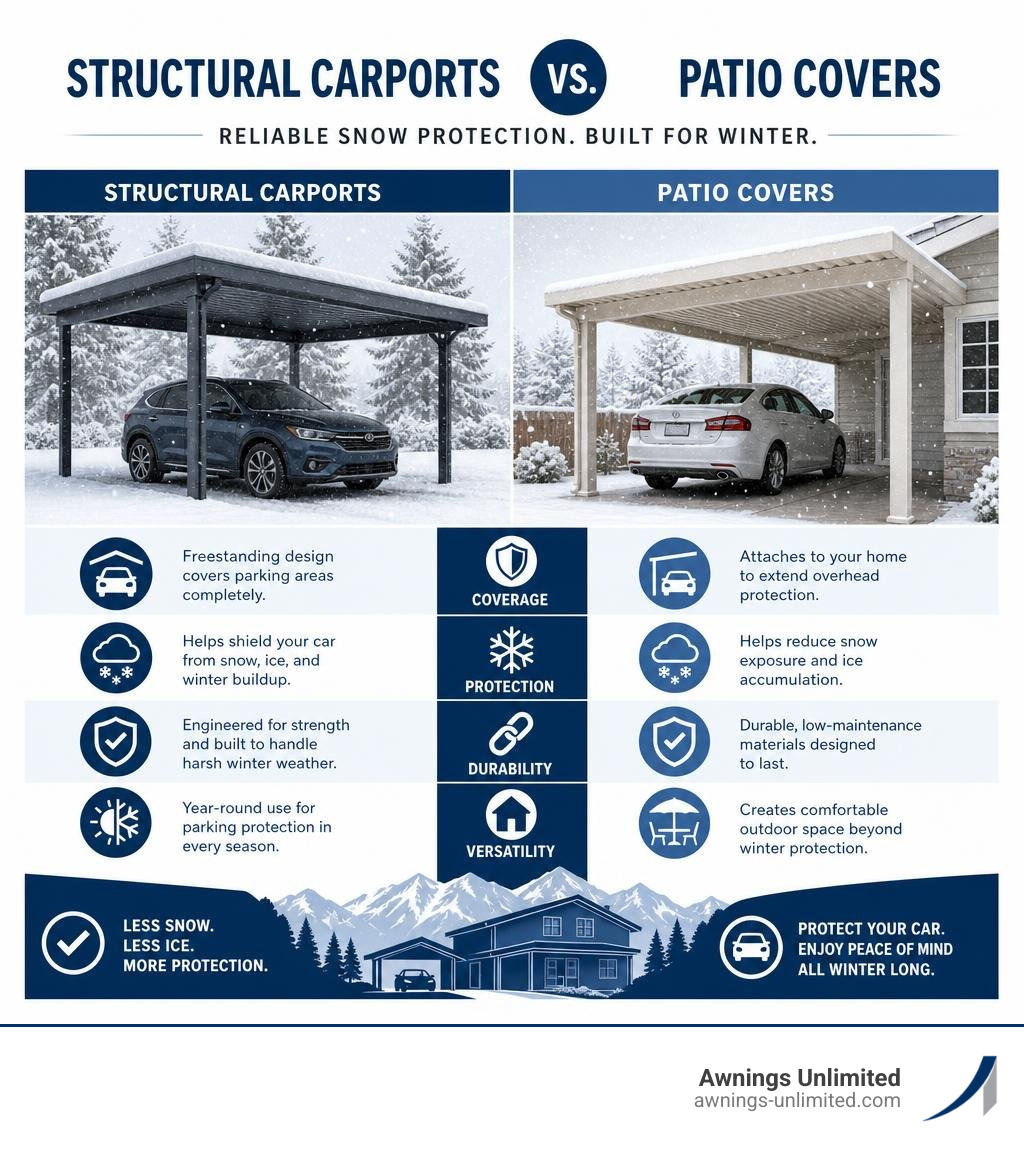
When considering how to protect car from snow, many homeowners assume that building a full multi-car garage is their only option. However, traditional garage construction can be extraordinarily expensive, disruptive, and time-consuming. Fortunately, high-quality structural carports and patio cover extensions deliver superior winter protection at a fraction of the cost, making them the ultimate budget-friendly shade solution.
A custom structural carport provides open-air shelter backed by heavy-duty engineering. Designed specifically to handle heavy Utah and Wyoming snow loads, these structures utilize high-strength aluminum posts, insulated or flat-pan roof panels, and integrated drainage gutters. By preventing snow from landing directly on your vehicle, a structural shelter solves your winter storage challenges without taking up your entire budget.
At Awnings Unlimited, we specialize in custom Alumawood structures. Alumawood combines the classic beauty of painted wood with the maintenance-free durability of heavy-gauge aluminum. It will not rot, warp, crack, or rust, even after decades of exposure to freezing moisture and scorching summer sun.
To help you decide which structure fits your property best, review our guide on how to protect vehicle snow ice carport options and explore the key features in the comparison table below:
| Shelter Option | Primary Benefits | Winter Snow Load Capacity | Installation Impact |
|---|---|---|---|
| Freestanding Structural Carport | Dedicated shelter that can be positioned anywhere on a driveway or side-yard pad. | Superior heavy snow load rating engineered to regional building codes. | Independent foundation posts; zero alteration to existing home exterior. |
| Attached Patio Cover Extension | Connects directly to house fascia or wall, extending shelter over an adjacent parking area. | Excellent load distribution using house structural framing and support posts. | Uses existing house wall for seamless architectural integration and lower material costs. |
| Budget Wall-Mounted Structural Awning | Compact canopy covering shorter driveways, utility spaces, or side entrances. | High per-square-foot strength; ideal for deflecting snow off windshields and hoods. | Minimal footprint; quick mounting to exterior studs or masonry walls. |
Whether you need a full double-car shelter in Salt Lake City or an attached canopy in Bountiful, choosing an engineered aluminum structure ensures your vehicle stays shielded winter after winter.
Smart Structural Hacks to Protect Your Car from Snow on a Tight Budget
Protecting your vehicle does not require overcomplicating your home improvement plans. By taking advantage of smart design choices and strategic placement, you can maximize your budget while building a permanent cover that shields your investment year-round.
Budget Structural Options to Protect Car from Snow and Ice
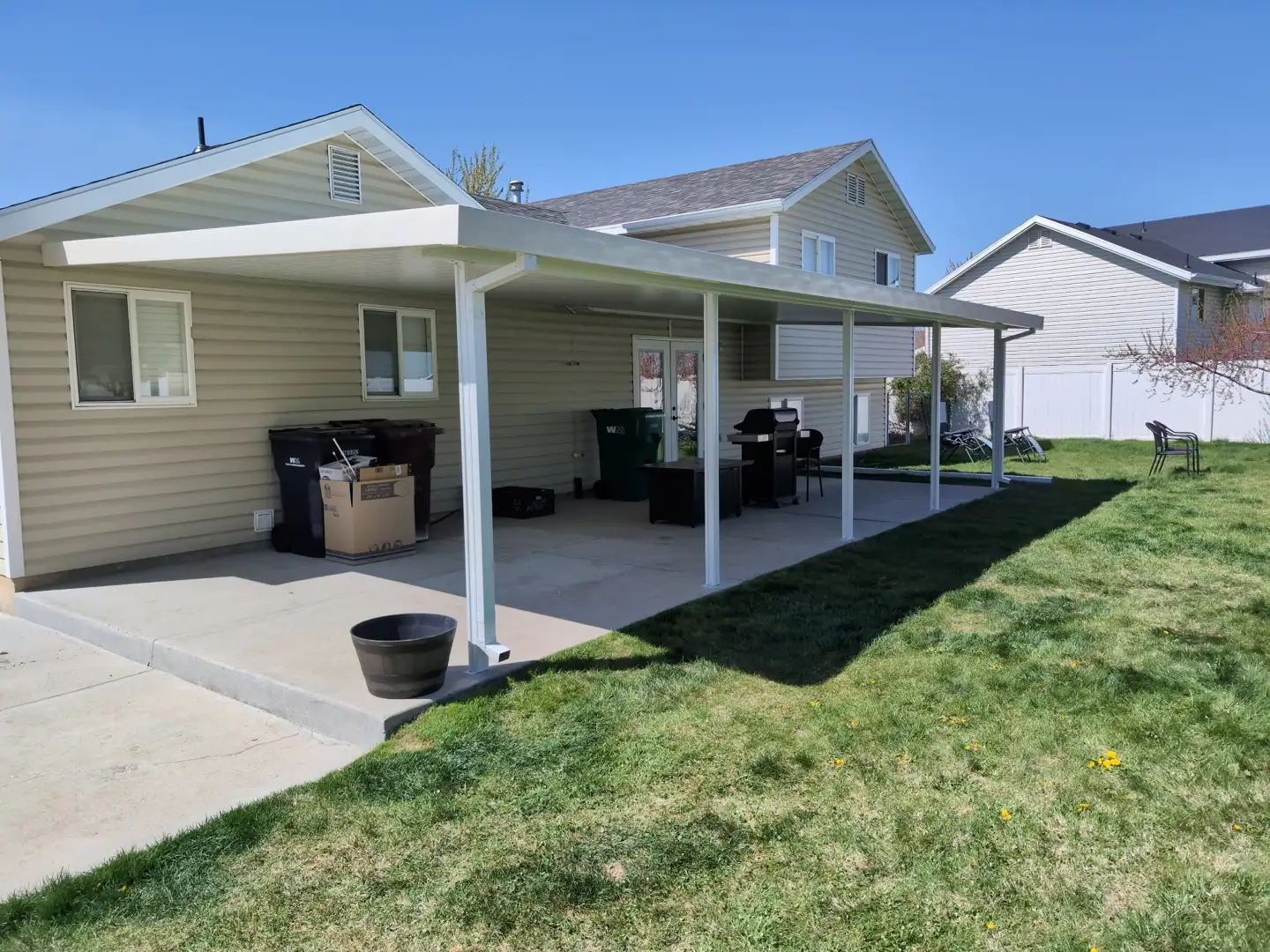
If you want to stretch your home improvement dollar, consider an attached patio cover extension over your driveway or parking pad. Attached designs require fewer vertical support posts than freestanding shelters because they bolt directly into your home’s structural framing. This saves on material and installation labor without sacrificing strength.
Key budget-friendly structural choices include:
- Aluminum Pan Cover Extensions: Utilizing heavy-duty aluminum roof panels creates a watertight barrier over your vehicle. The smooth surface of aluminum allows snow to slide off smoothly rather than accumulating into massive, heavy drifts.
- Multi-Use Patio Cover Designs: If your driveway runs adjacent to a side patio, back deck, or workshop, a single long patio cover can serve double duty. During warmer months, it acts as a shaded outdoor patio; during winter, it becomes a covered parking space to protect car from snow.
- Custom Width and Projection Scaling: You do not need to cover an entire 50-foot driveway to gain massive winter benefits. Focus your structural coverage on the area where your vehicle rests overnight. Shielding just the primary cabin and windshield eliminates 90 percent of your morning snow removal headaches.
By choosing engineered materials like Alumawood, you also avoid the ongoing painting, staining, and repair costs associated with wood structures, keeping long-term maintenance costs near zero.
Cost-Effective Shelter Prep for Winter Snow Protection
Proper design and setup play a huge role in how effectively your structural awning or carport handles winter storms. When planning your structure with our team, we keep several critical winter preparation factors in mind:
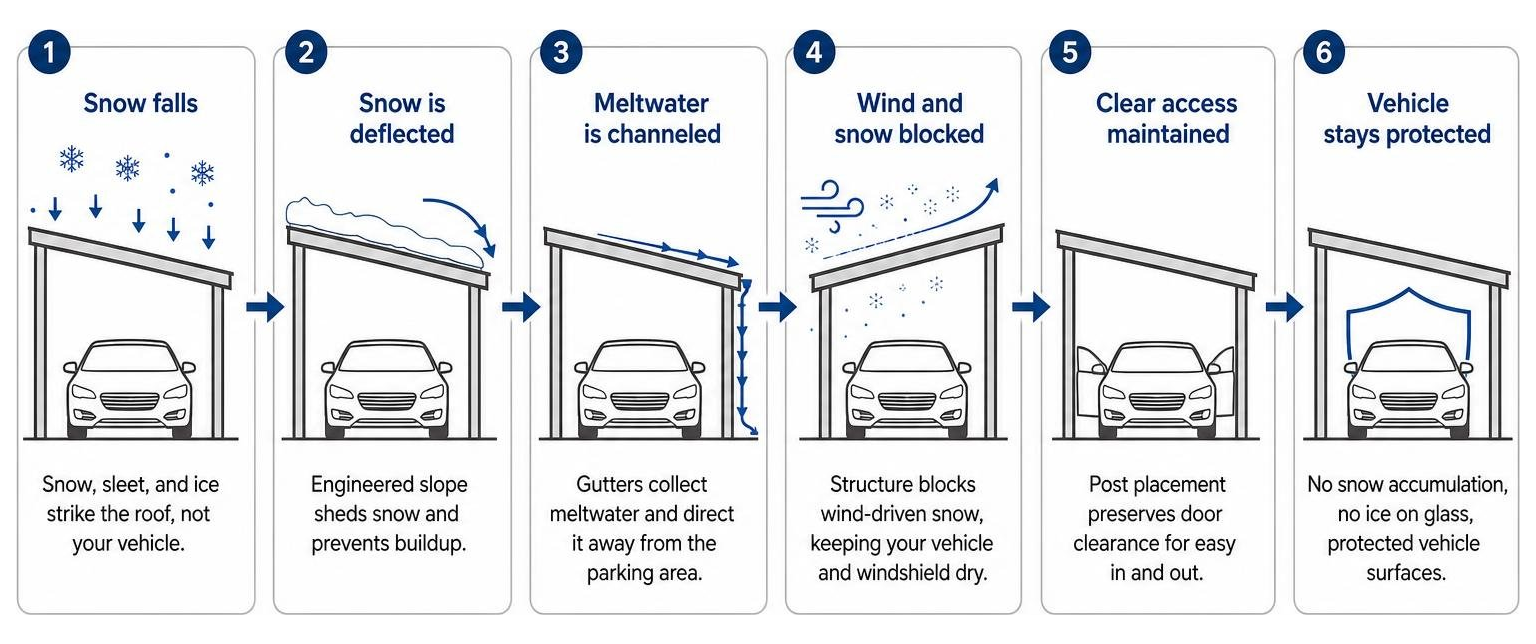
- Roof Slope and Snow Shedding: A slight slope (pitch) engineered into the canopy roof forces heavy wet snow and ice melt to drain outward toward integrated gutter systems. This prevents standing water from freezing inside roof seams.
- Strategic Post Placement: Positioning support posts close to driveway edges maximizes your clear door-swing clearance. This makes parking simple, even when snowbank ridges line the edge of your driveway.
- Draft and Wind Deflection: Alignment matters. Mounting an attached structural awning on the prevailing wind side of your home blocks blowing snow from drafting under the canopy, leaving your windshield completely dry.
- Gutters and Downspout Management: Directing melted snow runoff away from your parking pad prevents dangerous black ice patches from forming under your tires overnight.
When your canopy structure is thoughtfully aligned and properly pitched, nature does most of the heavy lifting for you.
Safe Vehicle Snow Defense with Structural Awnings

Having a structural carport or patio cover provides exceptional, effortless protection. However, practicing basic structural care ensures your investment stays in peak condition throughout the worst winter weather.
Structural Awning and Patio Cover Maintenance for Snow
Alumawood carports and patio covers are celebrated for their incredible strength and low maintenance. Still, a quick seasonal checkup before winter hits Northern Utah helps guarantee optimal performance:
- Clear Gutters and Drainage Channels: In late autumn, clear out any fallen leaves, twigs, or debris from your carport’s built-in gutter system. Clean channels allow melting snow to drain freely, preventing heavy ice dams from forming along the canopy edges.
- Inspect Post Footings and Mounting Hardware: Ensure that ground anchor points and wall mounting brackets remain clear of piled soil or organic material. Our professional installations utilize heavy-duty concrete piers and rust-proof fasteners designed for extreme weather stability.
- Gently Manage Extreme Snow Accumulation: While our carports are engineered to meet strict regional building codes for snow load, historic winter blizzards can sometimes deposit several feet of dense, wet snow in a single storm. If extreme drifts accumulate, use a soft telescoping roof rake from the ground to clear the top layer safely. Never climb onto a snow-covered canopy roof.
- Rinse Off De-Icing Salt Residue: In early spring, give your aluminum posts and ceiling panels a quick spray with a garden hose to remove any windblown road salt or environmental dust, keeping the factory finish looking brand new.
How Structural Carports Protect Vehicles from Heavy Snow Accumulation
To appreciate why a permanent overhead structure outperforms temporary options like tarps or portable fabric tents, it helps to understand how a rigid canopy manages winter energy and moisture.
Unlike flexible fabric tarps that sag under snow weight, trap interior condensation, and press dirty fabric against your car’s paint, a rigid structural carport creates a ventilated micro-climate over your vehicle.
Here is how the defense mechanism works step-by-step:
- Physical Overhead Shielding: The heavy-gauge aluminum roof panels absorb the direct impact of falling snow, sleet, hail, and freezing rain, deflecting thousands of pounds of precipitation away from your vehicle roof.
- Radiant Heat Retention: Parking under a solid canopy slows down radiant heat loss from your vehicle’s engine and interior. This slight temperature buffer prevents frost from forming on outer glass surfaces.
- Natural Air Ventilation: Because a carport remains open on the sides, air circulates freely around the vehicle. This prevents moisture from being trapped beneath the structure, allowing your car’s underbody and brakes to dry off naturally after driving through slush.
- Zero Contact Protection: Because no part of the structure touches your car, there is zero risk of fabric chafing, scratch marks, or frozen tarps sticking to your doors.
By shielding your vehicle entirely without physical contact, a structural awning delivers the safest, most convenient protection available.
Frequently Asked Questions About Winter Car Protection
How do structural carports protect vehicles during heavy snow?
Structural carports act as an impenetrable overhead shield that intercepts snow, ice, hail, and falling debris before it reaches your vehicle. Constructed from high-strength aluminum, like Alumawood, carports are engineered to handle high snow load ratings mandated by Utah and Wyoming building codes. By keeping snow off your vehicle’s paint, glass, and seals, carports prevent clear-coat scratches caused by ice scrapers, stop door seals from freezing shut, and preserve battery life by minimizing exposure to extreme overnight drafts.
Can an attached patio cover serve as a budget-friendly winter carport?
Yes, absolutely! An attached patio cover mounted over a driveway or parking pad is one of the most cost-effective ways to protect car from snow. Because an attached cover utilizes your home’s existing wall and structural framing for support, it requires fewer vertical posts and materials than a standalone garage or freestanding building. This lowers initial material costs while providing the exact same reliable overhead snow protection for your vehicle.
How do structural awnings prevent snow and ice buildup on parked vehicles?
Structural awnings prevent snow and ice buildup by physically blocking precipitation from making contact with the vehicle. Frost and ice form when moisture in the air settles on cold glass and paint and freezes. An overhead canopy blocks falling dew, freezing rain, and snow powder. Additionally, the canopy reduces radiant heat loss from the vehicle into the clear sky, keeping glass surfaces slightly warmer than the surrounding open air and preventing frost from bonding to windshields.
Conclusion
Protecting your vehicle during severe winter weather does not require spending tens of thousands of dollars on a traditional garage addition. With an engineered structural carport, attached patio cover, or wall-mounted structural awning, you can enjoy premium winter protection that fits your home, lifestyle, and budget.
By blocking heavy snow accumulation, eliminating ice scraping, and preventing paint scratches and moisture damage, a custom shade structure pays for itself in preserved vehicle value and everyday morning convenience. Engineered with durable Alumawood materials, our custom structures are built to withstand heavy winter snow loads across Salt Lake City, Ogden, Provo, Park City, and surrounding communities without ever rusting, rotting, or requiring repainting.
If you are ready to upgrade your driveway storage and protect your vehicle this season, explore how you can get ready for winter with a new carport. Contact our local team at Awnings Unlimited today to discuss your ideas, browse design options, and request a free project estimate!