


Choose a Utah Pergola Builder for Lasting Shade
To find the right Utah pergola builders, start with three checks: confirm active contractor licensing and insurance, review completed projects that can handle Utah sun and winter weather, and ask how the design will meet local permit, snow-load, and placement requirements. A qualified builder should explain the material options, project scope, warranty, and installation plan before work begins.
Utah’s dry UV exposure, strong afternoon sun, wind, and winter snow make material quality and proper installation more important than looks alone. A custom pergola or patio cover should fit your home’s outdoor space, provide useful shade, and stand up to changing seasons with manageable upkeep. For broader context on how these structures perform in high-desert climates, see the Pergola entry on Wikipedia.
At Awnings Unlimited, we have served Northern Utah since 1976 with custom patio covers, pergolas, structural awnings, and carports built for local weather. As experienced Utah pergola builders, we help homeowners create durable outdoor living spaces with custom Alumawood materials and professional installation.
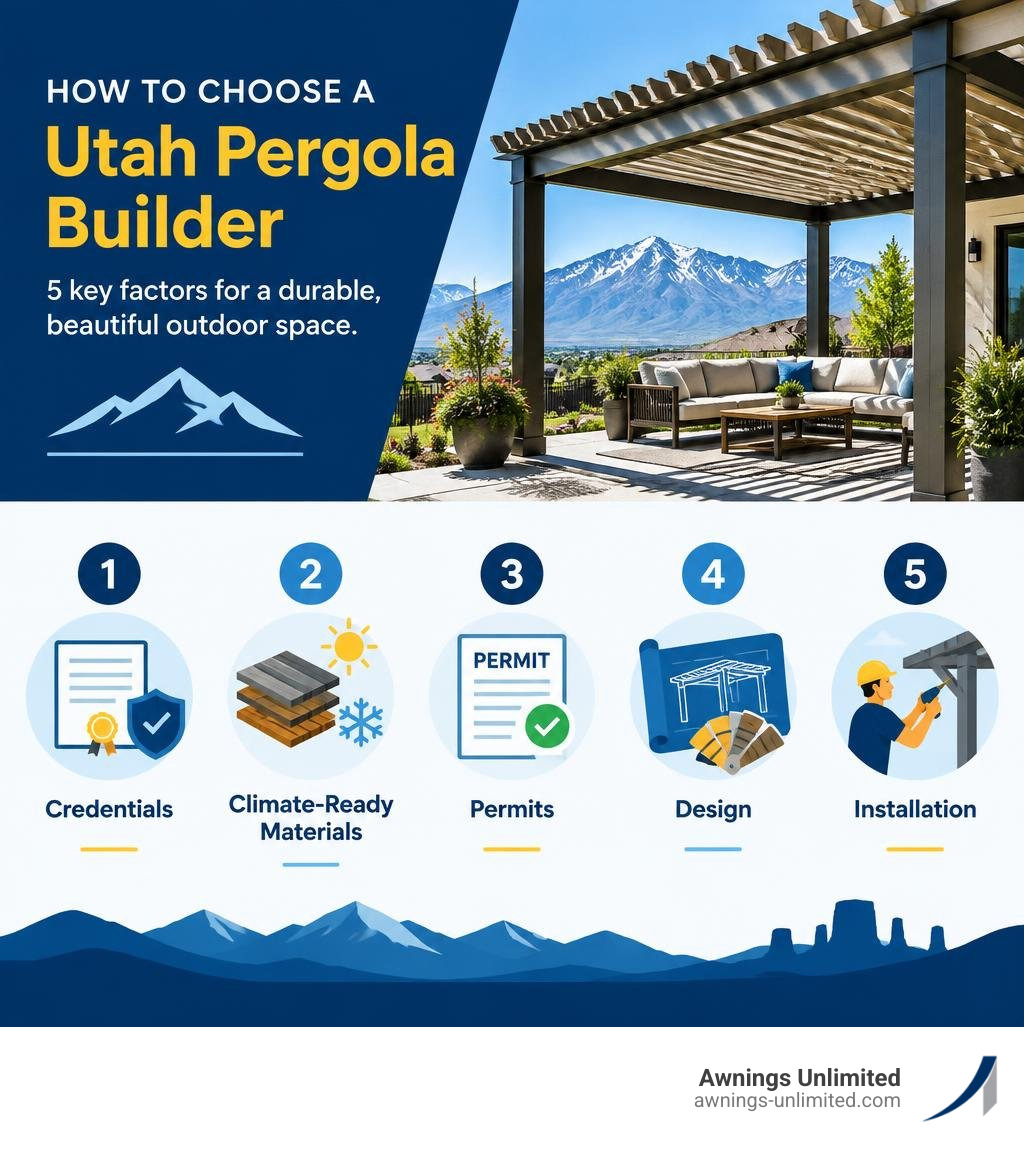
7 Essential Factors When Hiring Utah Pergola Builders
Investing in a backyard shade structure is one of the most rewarding upgrades you can make for your home. Utah consistently ranks in the top 10 states for new home construction, and over 60% of homeowners across the state actively invest in outdoor living improvements. However, because our high-desert environment presents unique structural challenges, knowing how to choose the best Utah pergola company makes all the difference between a structure that lasts for decades and one that fails after a few winters.
When vetting potential contractors across the Wasatch Front, keep these essential factors in mind:
- Local Climate Experience: Building along the Wasatch Range requires engineering for heavy snow loads, mountain canyon winds, and intense high-altitude UV radiation.
- Dedicated Craftsmanship: Look for established trade specialists rather than general handymen who only build outdoor covers occasionally.
- Comprehensive Project Scoping: A clear, itemized proposal must detail everything from foundation footing depth to final attachment hardware.
- Material Specialization: Contractors should offer advanced, weather-resistant materials rather than defaulting to high-maintenance solutions.
- Permit Handling: The company should be well-versed in local municipal zoning laws and handle all engineering submissions.
- Robust Warranties: Look for written protection covering both structural components and installation labor.
- Verified Customer Satisfaction: Transparent, recent reviews from homeowners in your immediate area give insight into reliability and work ethic.
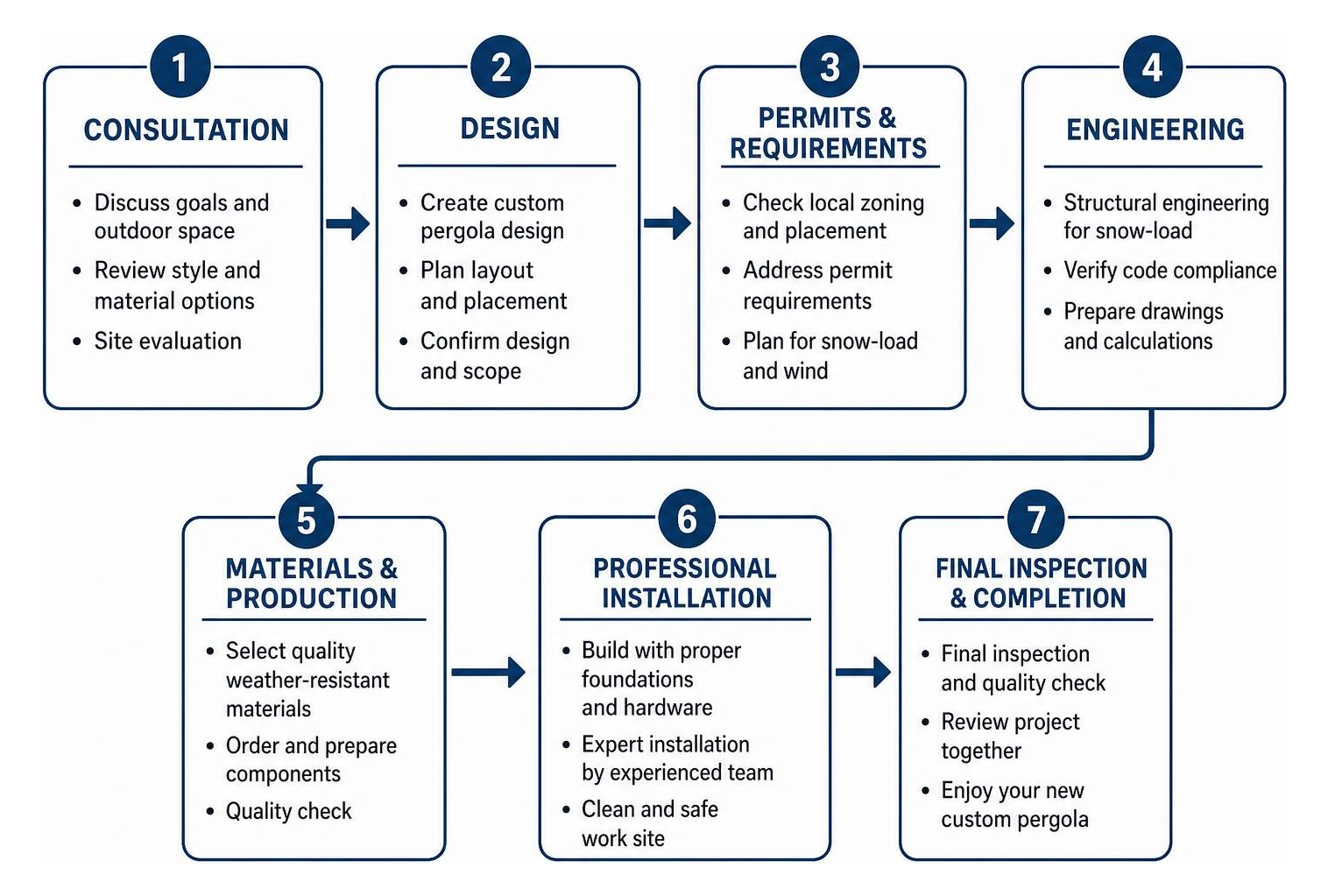
Credentials to Check with Utah Pergola Builders
Before signing any contracts, take the time to verify a contractor’s baseline qualifications. In Utah, construction trades require strict oversight to ensure structural safety.
First, confirm their active license with the Utah Division of Professional Licensing (DOPL). A specialty contractor license ensures the team has met state testing standards and maintains good standing. Second, request certificates of both general liability insurance and workers’ compensation coverage. General liability protects your home and property against accidental damage during construction, while workers’ compensation ensures you are never liable if a worker is injured on your property.

Finally, examine their local portfolio. Ask to see completed shade structures in nearby communities like Sandy, Draper, South Jordan, or Layton. For a deeper breakdown of contractor vetting standards, consult our complete guide to Utah pergola builders to protect your investment.
Understanding Utah Building Codes and HOA Permits
Navigating local regulations is a critical step in pergola construction. Depending on whether your structure is attached to the home or freestanding, municipal requirements vary across Salt Lake, Utah, Davis, and Weber counties.
Key regulatory elements include:
- Frost Line Depth: Utah building codes generally mandate that permanent structural footings extend below the local frost depth (typically 30 inches or deeper along the Wasatch Front) to prevent ground heaving during winter freeze-thaw cycles.
- Property Setbacks: Every municipality enforces strict setback rules dictating how close an open-air structure can sit relative to side and rear property lines.
- Snow and Wind Engineering: Mountain valleys experience significant ground snow accumulation and gusty canyon winds. A compliant design must be engineered to support substantial snow loads without bending or warping.
- HOA Guidelines: If you live in a planned community in areas like Lehi, Saratoga Springs, or Daybreak, your Homeowners Association will likely require detailed architectural plans and color swatches before approving the build.
Reviewing critical pergola installation details early in your planning prevents unexpected delays and costly municipal redesigns.
Selecting Climate-Resilient Materials for Utah Pergolas
Utah’s climate is notoriously harsh on outdoor building materials. Our summers bring low humidity paired with unrelenting high-altitude UV exposure, while winters bring freezing temperatures and heavy snowfall. When you evaluate traditional wood against modern alternatives, comparing Alumawood to traditional wood reveals why engineered solutions have become the standard for modern outdoor living.
Natural timber, while classic in appearance, absorbs moisture during wet spring months and rapidly dries out in the arid summer heat. This constant cycle leads to checking, splitting, warping, and dry rot. Constant sanding, staining, and painting are mandatory every one to two years to prevent structural decay.
High-Performance Alumawood and Metal Systems
To solve the maintenance headaches of real wood, high-performance Alumawood systems combine the rustic beauty of painted timber with the structural resilience of heavy-gauge aluminum.
These advanced systems feature an embossed woodgrain texture that delivers the warmth and architectural charm of traditional lumber. However, because the core is non-porous metal, it will never rot, crack, warp, or attract wood-boring pests like carpenter bees and termites. Finished with factory-baked enamel coatings, Alumawood reflects intense UV rays rather than absorbing them, keeping your patio cooler and eliminating the need for repainting.
Explore our custom Alumawood pergola design options to see how these low-maintenance materials elevate backyard aesthetics while delivering lifelong durability.
Material Comparison for Utah Weather Conditions
| Feature / Metric | Alumawood Systems | Natural Cedar / Redwood | Vinyl / PVC |
|---|---|---|---|
| Upkeep Frequency | Occasional water rinse | Staining/sealing every 1–2 yrs | Annual pressure wash |
| Expected Lifespan | 30+ Years | 10–15 Years (with maintenance) | 15–20 Years |
| UV & Sun Resistance | Excellent (won’t fade or peel) | Poor (fades, dries, cracks) | Moderate (can yellow or chalk) |
| Freeze-Thaw Resistance | Impervious to moisture | Susceptible to splitting | Can become brittle in extreme cold |
| Pest & Rot Immunity | 100% Immune | Requires chemical treatments | 100% Immune |
| Cost Efficiency | High long-term value | High lifetime maintenance cost | Moderate initial value |
Pergola Costs, Placement, and Timelines in Utah
When planning your project, several physical and environmental variables shape the scope, schedule, and final investment. The size of the shaded footprint, the complexity of the architectural attachments, and necessary ground preparation all dictate the construction path.
Site conditions play a major role. Installing a pergola over an existing, structurally sound concrete patio is straightforward. Conversely, building over bare ground, paver installations, or multi-level terrain requires dedicated excavation and concrete pier footings. Always ensure utility clearance via Blue Stakes before any digging begins.
For a complete breakdown of budgeting factors and configuration types, check out our Utah pergola pricing guide.
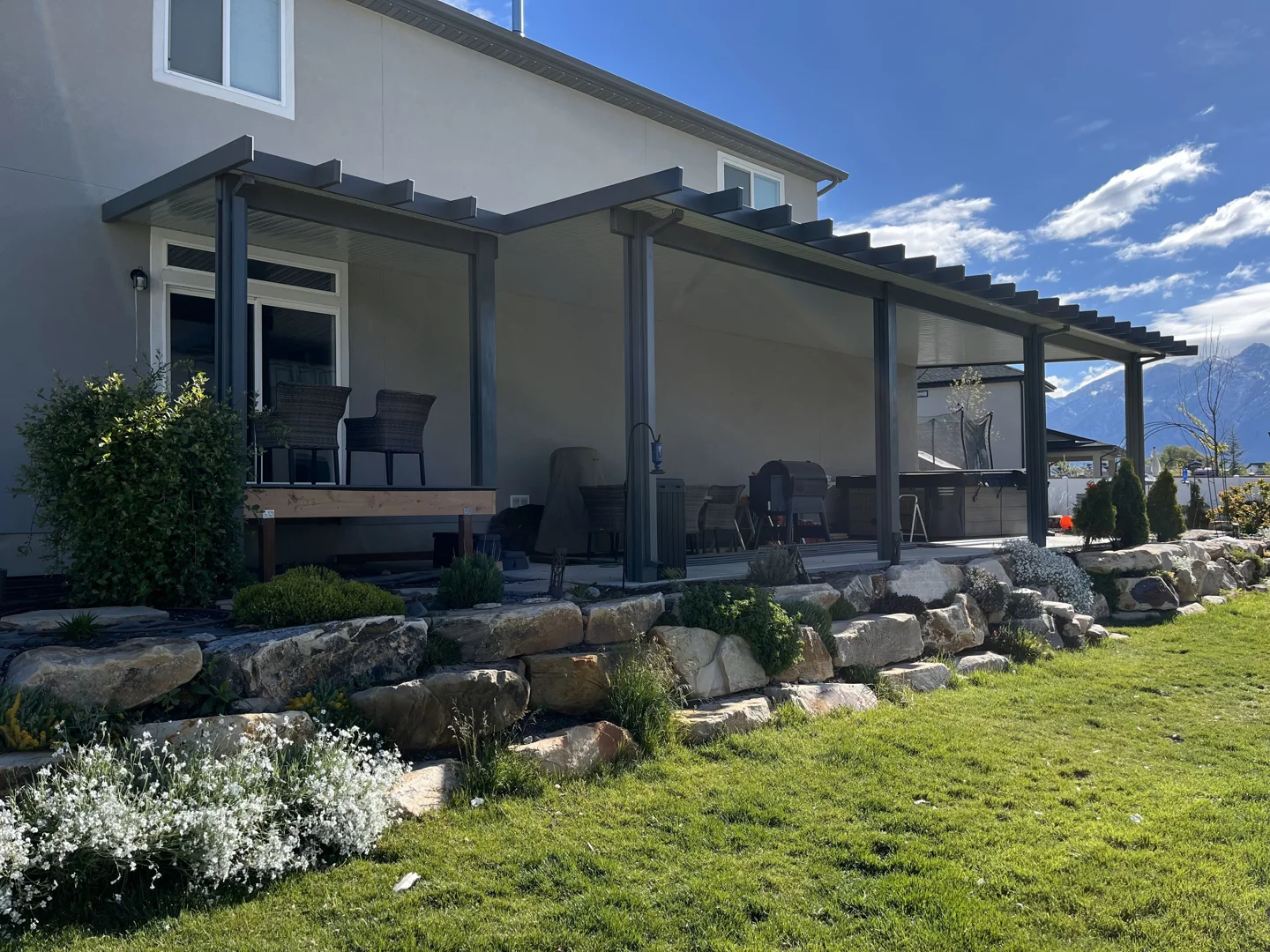
Solar Orientation and Sun Exposure Considerations
A pergola’s primary job is functional shade, and placement is everything under the Utah sun. In our region, solar angles change dramatically between June and December.
- South-Facing Patios: These spaces receive intense, all-day sun. To maximize shade comfort, lattice tubes or rafters should be spaced closer together or angled specifically to block direct overhead midday rays.
- West-Facing Exposures: Western exposures take the brunt of scorching late-afternoon heat. Incorporating side drop shades or solid roof panel sections helps mitigate low-angle glare and heat buildup.
- Wind Dynamics: If your home sits near canyon mouths in areas like Bountiful, Alpine, or Provo, structural engineering must account for high-velocity gusts funneling down the mountains.
Understanding the reasons Utah homes benefit from pergolas ensures your structure is angled and built for maximum everyday utility.
Design Trends Recommended by Utah Pergola Builders
Outdoor spaces are no longer just patches of lawn; they are complete open-air living rooms. Modern Utah homeowners are requesting functional, integrated features that expand usable living space across multiple seasons:
- Integrated LED Lighting: Recessed channel lighting and dimmable post fixtures allow you to transition smoothly from daytime shade to evening entertaining.
- Outdoor Kitchen Integration: Custom structural spans accommodate built-in barbecue islands, smoker stations, and bar counters, providing essential shade for the home chef.
- Mixed-Cover Architectures: Combining solid insulated patio roof sections over cooking areas with open lattice pergola styling over dining zones offers the perfect blend of complete weather protection and open-air ambiance.
- Architectural Column Upgrades: Moving beyond basic posts, many homeowners choose custom stone bases, craftsman wraps, or double-beam headers to complement their home’s exterior trim.
You can read more about what is popular in our overview of modern Utah pergola installation trends.
Maintenance and Upkeep for Utah Weather Extremes
Even the highest-quality outdoor structures require basic care to maintain their structural integrity and appearance through harsh winters and dusty summers.
- Winter Snow Management: Utah snow can be dense and heavy (“lake effect” storms often produce high-moisture snow). While engineered covers are designed for local snow loads, clearing massive drifts during historic snowfall prevents unnecessary stress on fasteners and ledger boards.
- Routine Washing: Wash down aluminum components with a garden hose and mild household soap twice a year to clear away desert dust, pollen, and environmental debris.
- Gutter and Drainage Checks: If your pergola design includes integrated gutter channels, inspect them each autumn to remove fallen leaves and ensure clear drainage before freezing temperatures arrive.
- Structural Fastener Inspections: Periodically examine post attachments, ledger bolts, and bracket hardware to ensure everything remains tight and secure against ground shifting.
Investing in year-round covered pergola protection gives you peace of mind that your backyard retreat will remain pristine through every blizzard and summer heatwave.
Frequently Asked Questions About Custom Pergolas in Utah
How much does custom pergola installation cost in Utah?
The overall cost varies significantly based on square footage, whether the structure is attached or freestanding, footing requirements, and material selection. While natural wood may seem economical upfront, its recurring staining and repair costs make low-maintenance Alumawood far more cost-effective over its lifespan. Homeowners looking at evaluating custom pergola installation value should consider long-term durability and increased property resale value.
Do I need a building permit to build a pergola in Utah?
In most Utah cities, attached pergolas and large freestanding patio structures require a building permit and zoning review. Permits ensure that footings meet local frost-line depth requirements and that the structure satisfies local snow and wind engineering codes. A reputable builder manages the engineering calculations and permit submission process on your behalf.
What is the best pergola material for Utah’s climate?
Alumawood and heavy-gauge structural aluminum are widely considered the premier materials for Utah. Unlike natural wood, which dries out, splinters, and rots under high-altitude UV rays and winter snow, Alumawood provides an authentic woodgrain look with virtually zero maintenance, total pest immunity, and superior thermal performance.
Conclusion
A well-designed, professionally built custom pergola transforms your patio into an inviting outdoor living sanctuary. By partnering with an experienced builder who understands local engineering codes, snow-load requirements, and climate-resilient materials, you ensure your outdoor investment remains beautiful and structurally sound for decades to come.
At Awnings Unlimited, our family-owned team has spent nearly five decades providing Utah homeowners across the Wasatch Front with durable, high-performance shade covers backed by unmatched craftsmanship and industry-leading warranties. When you are ready to design your ideal backyard shade structure, request a custom pergola quote to get started with an on-site design consultation.