
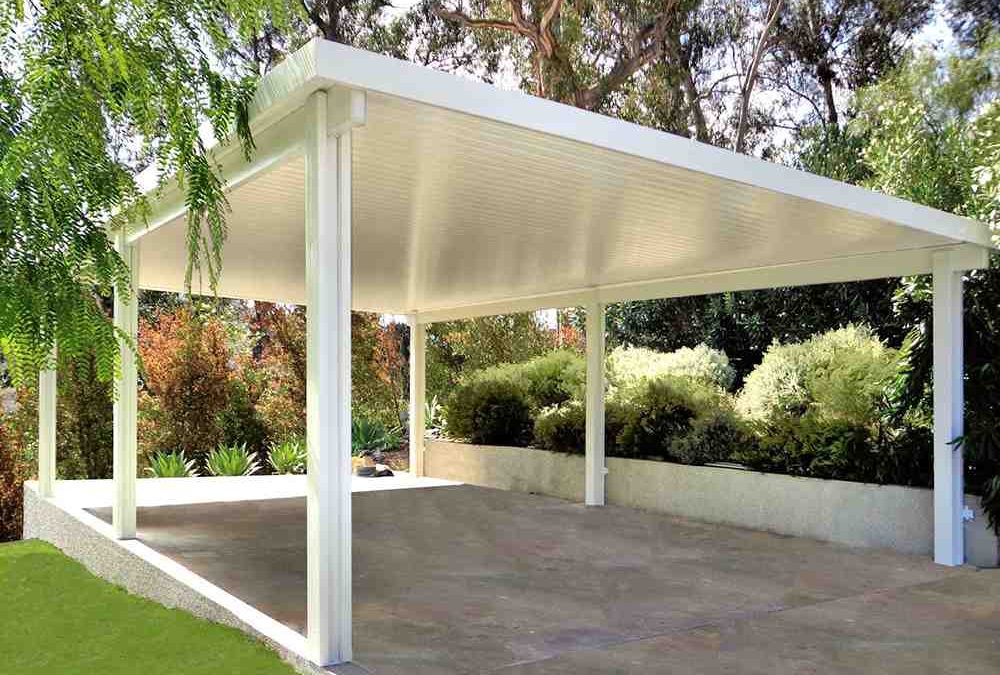
Why Professional Installation Makes All the Difference for Your Outdoor Structure
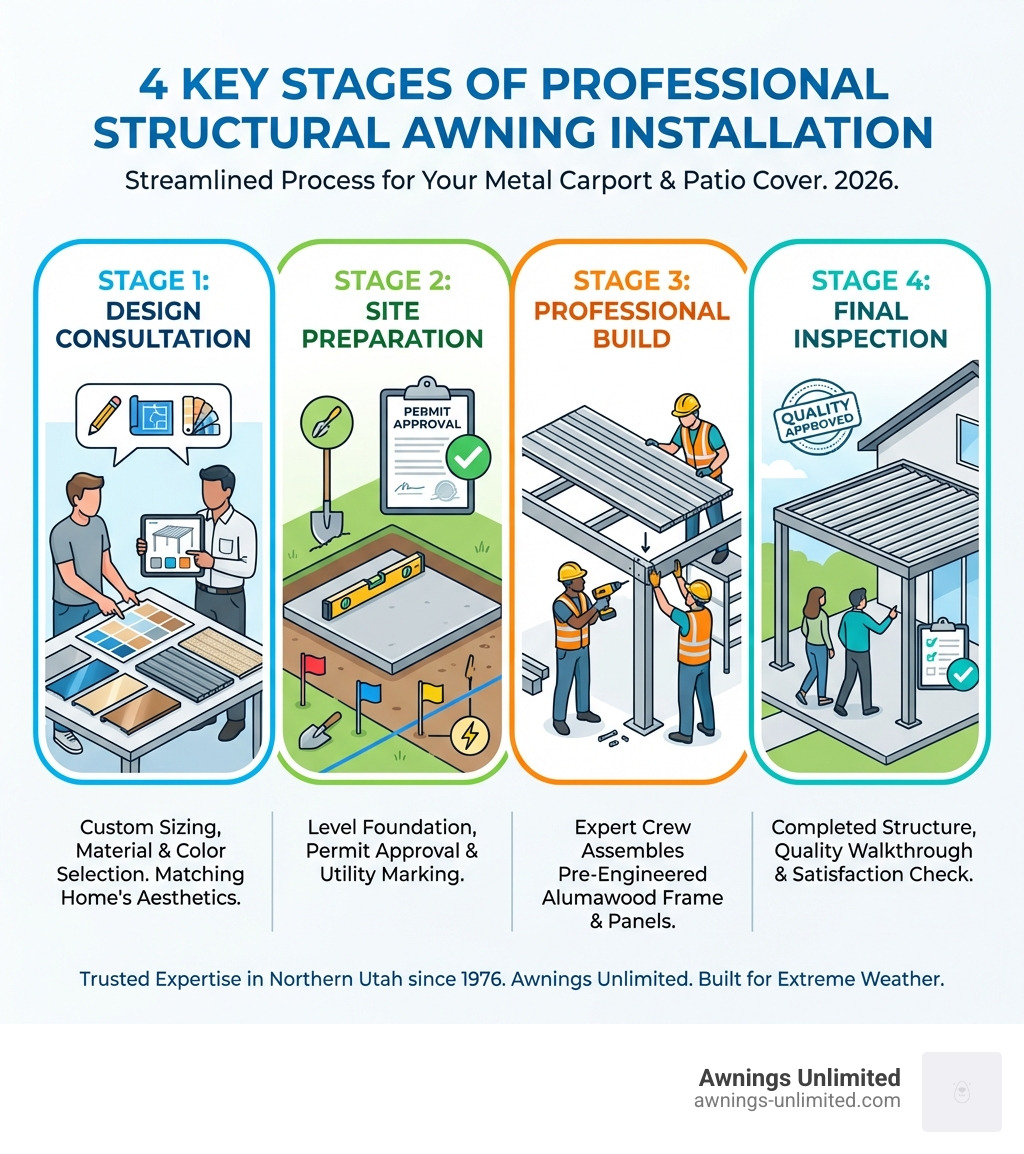
Structural awnings and patio covers installed by professionals provide durable, weather-resistant protection for vehicles and outdoor spaces, changing your property with minimal hassle. Here’s what to expect from the installation process:
Key Installation Stages:
- Design Consultation – Custom sizing, material selection, and color matching to your home
- Site Preparation – Foundation work, permits, and utility clearance
- Professional Installation – Expert crew assembles pre-engineered components on-site
- Final Inspection – Quality check and walkthrough of your completed structure
Most professional installations are completed in one day, compared to multi-week DIY projects that require specialized tools and expertise.
When you’re considering a structural awning or patio cover, understanding the installation process helps you prepare your property and set realistic expectations. Professional installers handle everything from securing permits to anchoring the structure properly, ensuring it meets local building codes for snow and wind loads—especially critical in regions like Utah and Wyoming where harsh weather demands engineered solutions.
The difference between a poorly installed structure and a professionally installed one can mean years of reliable service versus costly repairs. From matching your home’s roofline to ensuring proper drainage, experienced installers know the details that create a seamless, long-lasting addition to your property.
At Awnings Unlimited, we’ve been changing Northern Utah outdoor spaces since 1976, specializing in custom Alumawood structural awnings and patio covers that stand up to extreme weather. With decades of experience ensuring structural awnings and patio covers installed throughout the region meet the highest standards, we guide homeowners through every step—from initial design to final inspection.
Step 1: Planning & Designing Your Perfect Structural Awning or Patio Cover
The journey to getting your structural awning or patio cover installed begins with careful planning and design. This crucial first step ensures the final structure not only meets your practical needs but also improves your property’s aesthetic appeal. We work closely with you to understand your vision and translate it into a functional and beautiful structural awning or patio cover.
One of the first decisions you’ll make is whether an attached or freestanding structural awning or patio cover is right for your home. Freestanding options offer incredible versatility; they can be placed anywhere on your property where protection is needed, providing shade for gatherings, storage, or parking. They are easy to relocate if your needs change in the future, making them a wise investment for homeowners seeking flexibility.
Attached structural awnings and patio covers, on the other hand, offer unique advantages by integrating directly with your home. They can provide extensive shade, helping to lower interior home temperatures during Utah and Wyoming’s hot summers. They also offer easier, protected access to your home, shielding you from the elements as you come and go.
Custom sizing is a cornerstone of our design process. Whether you need a single carport for one vehicle or a larger structural awning to cover an RV or boat, we can construct it to accommodate any size. Our expertise ensures your structural awning or patio cover is perfectly proportioned for your space, maximizing its utility and visual impact.
A key material we specialize in is Alumawood. This innovative material combines the durability and low maintenance of aluminum with the beautiful appearance of real wood, without the drawbacks of rotting, warping, or insect infestation. Unlike traditional wood structures, Alumawood doesn’t require regular painting or treatment, significantly reducing long-term costs and upkeep. This means less time and money spent on maintenance, letting you enjoy your outdoor space worry-free.
Investing in a structural awning or patio cover can significantly improve your property’s value. By providing additional covered space, it becomes a desirable feature for potential buyers, offering functionality and aesthetic appeal. A well-designed structural awning can boost curb appeal, making your home stand out.
Matching your home’s aesthetics is paramount. We help you select colors and styles that complement your existing architecture, ensuring your new structural awning looks like a natural, integrated extension of your home, not an afterthought. From trim to roofline, every detail is considered to create a cohesive and polished look.
Key Considerations for Attaching a Structural Awning or Patio Cover to Your House
Attaching a structural awning or patio cover to your house requires careful planning to achieve seamless integration. While it might appear to be physically bolted to your home, often these structures are built adjacent to the house and securely anchored into the ground, creating the illusion of a seamless extension. Our goal is for your new structure to blend in so perfectly that it looks like it was always there.
One of the most critical aspects is roofline alignment. Matching the structural awning’s roof pitch to your home’s roofline ensures it flows with your home’s architecture, preventing it from appearing out of place. This thoughtful design contributes to a more cohesive and visually pleasing look.
Water drainage is another vital consideration. Our structural awnings and patio covers are designed with effective gutter systems to manage rainwater, preventing it from pooling or damaging your home’s foundation. We ensure proper overlap of roof panels, often starting with a 6-inch overhang, to direct water away efficiently.
To create a truly cohesive look, we recommend matching the structural awning’s siding and trim colors to complement your house. For instance, if your house is trimmed in white, a structural awning also trimmed in white will create a harmonious appearance. This attention to detail ensures the color scheme blends with your house, making it look like a natural extension.
When designing an attached structure, we carefully plan to avoid structural interference with your home. This means considering how the new structure will interact with existing elements like gutters or downspouts. Installers cannot place paneling on the side intended for connection to the house if it interferes with the frame, requiring clear space for proper installation. Our expert team ensures these nuances are addressed during the design phase, providing you with a beautiful and functional addition without compromising your existing home structure.
Step 2: Site Preparation – Laying the Groundwork for Installation
Before any structural awning or patio cover installation project can begin, thorough site preparation is essential. This stage lays the foundation for a successful and long-lasting installation, ensuring your structural awning or patio cover is stable, secure, and compliant with all local regulations.
The importance of a level foundation cannot be overstated. For the highest quality construction, the installation site must be completely level. While many carports can be installed over various surfaces like grass, stones, or dirt, a concrete slab provides the most stable base. If you opt for a concrete pad, most concrete contractors recommend pouring it 3/4 inch wider and the same length as the structural awning’s frame you order. It’s crucial that any concrete pad is poured at least 72 hours before installation to allow it sufficient time to cure and set properly. For wider structural awnings, typically those over 24 feet wide, we recommend concrete footers for improved stability and support.
Clearing obstructions is another critical step. The area where your structural awning or patio cover will be installed must be free of all debris, ensuring a clear and safe workspace for our installation crew.
Crucially, before any digging or anchoring takes place, we emphasize checking for underground utilities. In Utah and Wyoming, call 811 a few days before your scheduled installation. This service marks any underground utility lines, such as gas, water, or electrical, preventing accidental damage during the installation process.
Additionally, ensuring overhead clearance from power lines is a non-negotiable safety measure. There should be no electrical wires less than 15 feet above the intended height of your structural awning or patio cover. This prevents potential hazards and ensures a safe installation.
Finally, we always advise using an accurate measuring tape to verify your space. While we handle detailed measurements during the design consultation, having a clear understanding of your available area helps in the initial planning and ensures there are no surprises on installation day.
Permits and Local Regulations for Structural Awnings and Patio Covers Installed in Utah & Wyoming
Navigating permits and local regulations is a critical aspect of getting structural awnings and patio covers installed, especially in areas like Utah and Wyoming with specific building codes and weather considerations. We understand that this can be a complex process, which is why our team is here to assist you every step of the way.
Before any construction begins, it’s crucial to check with your local building department in Utah or Wyoming to determine if a building permit is required for your structural awning or patio cover. Local building codes and zoning laws dictate specific requirements for structures, including their size, placement, and construction. For instance, pricing for structural awnings and patio covers can vary significantly by exact location due to local snow and wind loadings, which are critical factors in our region.
Homeowners Associations (HOAs) also play a significant role in many communities across Utah and Wyoming. If your property is part of an HOA, you’ll need to consult their guidelines for any restrictions or approval processes related to outdoor structures. Contacting your local building department or HOA in advance can save you considerable headaches and delays.
The good news is that our professional installers are well-versed in these requirements. Every structural awning or patio cover we sell is designed to meet or exceed the local loadings specific to your area. Our certified buildings comply with all necessary regulations, and site-specific engineered drawings are available if required by your local authorities. This ensures that your structural awning or patio cover is not only beautiful but also structurally sound and fully compliant. We pride ourselves on providing guidance on these requirements, helping you with design ideas and navigating the necessary paperwork to ensure a smooth, compliant installation process.
Step 3: The Professional Process for Structural Awnings and Patio Covers Installed
Once the planning and site preparation are complete, the exciting part begins: the professional installation of your structural awning or patio cover. This is where our decades of experience and skilled craftsmanship truly shine, changing your vision into a tangible asset for your home.
On the scheduled installation day, our professional crew arrives, ready to work efficiently and carefully. One of the many benefits of our structural awnings and patio covers is that they are pre-engineered. This means each component is pre-cut and pre-drilled, allowing for incredibly efficient and precise assembly on-site. Our team manually handles and unloads these components, ensuring careful handling without the need for heavy equipment that could damage your property.
The installation process typically begins with the assembly of the frame. Our crew expertly pieces together the pre-built frames on the ground before raising them and securely anchoring them to your prepared foundation. This secure anchoring is paramount to the stability and longevity of your structural awning, ensuring it can withstand the varied weather conditions of Utah and Wyoming. We use appropriate anchors custom to your foundation type, whether it’s a concrete slab (using concrete expansion anchors), asphalt (with barbed anchors), or even soil (using mobile home anchors with augers). Our team drills 3-4 inches into concrete foundations to firmly secure the base rail, preventing movement from wind or severe weather.
Next, the roof panels and gutter system are installed. Our team methodically installs the steel roofing panels, ensuring proper overlap and a slight overhang to facilitate efficient water runoff. For added strength, we place purlins on the roof before the panels are secured. We also integrate our large, easy-to-clean gutter systems, which are vital for directing water away from your home and foundation.
Throughout the installation, our crew maintains a clean and organized workspace. Once the structural awning or patio cover is fully assembled and securely anchored, we conduct a thorough site cleanup, leaving your property tidy and ready for immediate enjoyment. The process culminates in a final walkthrough with you, where we ensure every detail meets your satisfaction and answer any remaining questions you may have.
How Long Does Professional Installation Take?
One of the most appealing aspects of professional installation for your structural awning or patio cover is the speed and efficiency of the process. While many DIY projects can drag on for weeks, requiring specialized tools and expertise, our professional structural awning and patio cover installation services are designed for a hassle-free experience.
Several factors can affect the overall timeline. The size and complexity of your project play a significant role. For instance, a smaller 12’W x 21’L structural awning might take only a few hours to assemble, while a larger 40’W x 60’L fully enclosed structure could take an entire day or more. Building dimensions, roof slope, and the type of anchoring system required all contribute to the installation time. If you opt for additional features like insulation, this can also extend the timeline slightly.
However, a major advantage of choosing us is that one-day installation turnaround is available on most projects. Our pre-engineered components and experienced crews allow for quick and efficient assembly, minimizing disruption to your daily routine. Site readiness is also a key factor; ensuring your foundation is level and clear of obstructions, and that all permits are secured beforehand, helps us maintain an efficient schedule. Our commitment is to provide you with an efficient, hassle-free installation, so you can start enjoying your new outdoor space as soon as possible.
Frequently Asked Questions About Structural Awning and Patio Cover Installation
We often receive questions from homeowners in Utah and Wyoming about structural awnings and patio covers. Here are some of the most common inquiries, with detailed answers to help you make an informed decision.
What are the primary benefits of a structural awning or patio cover compared to traditional enclosed structures?
When considering a new outdoor structure, many homeowners weigh the options between a traditional enclosed garage or shed and a more open structural awning or patio cover. The benefits of choosing a structural awning, especially one of our Alumawood options, are compelling:
- Cost-effectiveness: Structural awnings and patio covers are a significantly more cost-effective alternative to building a traditional enclosed garage. They offer similar functionality for vehicle protection and outdoor storage but at a fraction of the cost, including lower installation fees.
- Faster Construction Time: Prefabricated metal buildings, like our structural awnings, are much easier and quicker to install compared to buildings made with other materials. As mentioned, many of our installations can be completed in a single day, a stark contrast to the multi-week or even multi-month construction timelines of traditional enclosed structures.
- Open-Air Ventilation: Unlike enclosed garages that can become stifling, structural awnings allow for free-flowing ventilation. This keeps the area cooler and prevents the buildup of fumes, making it a more pleasant space for parking vehicles, working on projects, or simply relaxing.
- Versatility: Structural awnings and patio covers are incredibly versatile. They can serve as dedicated vehicle parking, but also double as beautiful covered patio spaces, outdoor workshop areas, or sheltered spots for gatherings with family and friends.
- Less Required Maintenance: Our Alumawood structural awnings require significantly less maintenance than wood or other materials. They don’t need regular painting or treatment, meaning you spend less time and money on upkeep and more time enjoying your outdoor space. They are resistant to decay, pests, and rust, further reducing long-term costs.
How durable are these structural awnings and patio covers against heavy snow and wind?
Durability is a top concern for homeowners in Utah and Wyoming, given our harsh winters and occasional strong winds. We understand this, which is why our structural awnings and patio covers are engineered with these conditions in mind.
- Engineered for Local Weather: Every structural awning and patio cover we install is designed to meet or exceed the specific snow and wind loadings required by local building codes in your Utah or Wyoming community. This means your structure is custom-engineered to withstand the unique weather challenges of our region.
- High-Strength Alumawood Material: We specialize in Alumawood, which offers exceptional strength and resilience. This material is inherently robust, providing durable protection against unpredictable weather.
- Rust and Corrosion Resistance: Unlike some other metal options, Alumawood is designed to resist rust and corrosion, ensuring your structural awning maintains its integrity and appearance for years, even with exposure to snow, rain, and fluctuating temperatures.
- Designed to Handle Heavy Snow Loads: Our structural awnings and patio covers are built with strong materials and construction techniques to withstand heavy snowfall, which is a common occurrence across Utah and Wyoming. We’ve even seen cases where our structural awnings have acted as a buffer, preventing serious damage to homes from falling trees during storms, showcasing their remarkable protective capabilities. This robust construction ensures reliability and peace of mind.
Can a structural awning or patio cover be used for more than just parking vehicles?
Absolutely! While protecting your vehicles from the elements is a primary function, our structural awnings and patio covers offer a wealth of multipurpose uses that can significantly improve your property.
- Multipurpose Uses: Structural awnings and patio covers are incredibly versatile. They can be transformed into various functional spaces, making them a smart investment for any homeowner.
- Covered Patio Space: Imagine a comfortable, shaded area perfect for outdoor dining, entertaining guests, or simply relaxing with a book. Our structural awnings create an ideal covered patio space, extending your usable living area outdoors. They provide protection from sun, rain, and even light snow, allowing you to enjoy your patio for more months out of the year.
- Outdoor Workshop Area: For the DIY enthusiast, a structural awning can become an excellent outdoor workshop. It provides shelter for projects, offering a designated space away from the main house.
- RV and Boat Protection: Beyond everyday cars, our structural awnings can be designed to accommodate larger vehicles like RVs, boats, and trailers. This is crucial for protecting these valuable investments from harsh UV rays, rain, snow, and hail, preventing costly damage and extending their lifespan.
- Sheltered Area for Gatherings: Planning an outdoor party or barbecue? A structural awning provides the perfect sheltered spot. It keeps your guests comfortable, come rain or shine, making it an ideal setting for family gatherings and social events. Freestanding options are particularly versatile for this purpose, offering shade wherever you need it.
Conclusion
Getting your structural awning or patio cover installed professionally is an investment in your home’s functionality, aesthetic appeal, and long-term value. We’ve walked through the comprehensive process, from the initial design consultation where we customize every detail to match your home, through the meticulous site preparation ensuring a stable foundation and compliance with local Utah and Wyoming regulations, to the efficient and expert professional installation by our dedicated crew.
Choosing professional installation provides immense peace of mind. You benefit from our deep understanding of local building codes, our expertise in handling Alumawood materials, and our commitment to a hassle-free process. The durability and longevity of our structural awnings and patio covers, engineered to withstand heavy snow and strong winds, mean years of reliable protection for your vehicles and outdoor spaces. Furthermore, our leading warranty stands behind the quality of our work, giving you confidence in your investment.
At Awnings Unlimited, we bring decades of experience as a family business serving Salt Lake City and the wider Utah and Wyoming regions. Our expertise in custom Alumawood structural awnings and patio covers ensures that your outdoor structure is not just an addition, but a seamless, valuable extension of your home.
Ready to improve your property with a beautiful and durable structural awning or patio cover? Explore our custom structural awning and patio cover options and let us help you design the perfect solution for your home.