

Why Building an Outdoor Covered Area Transforms Your Home
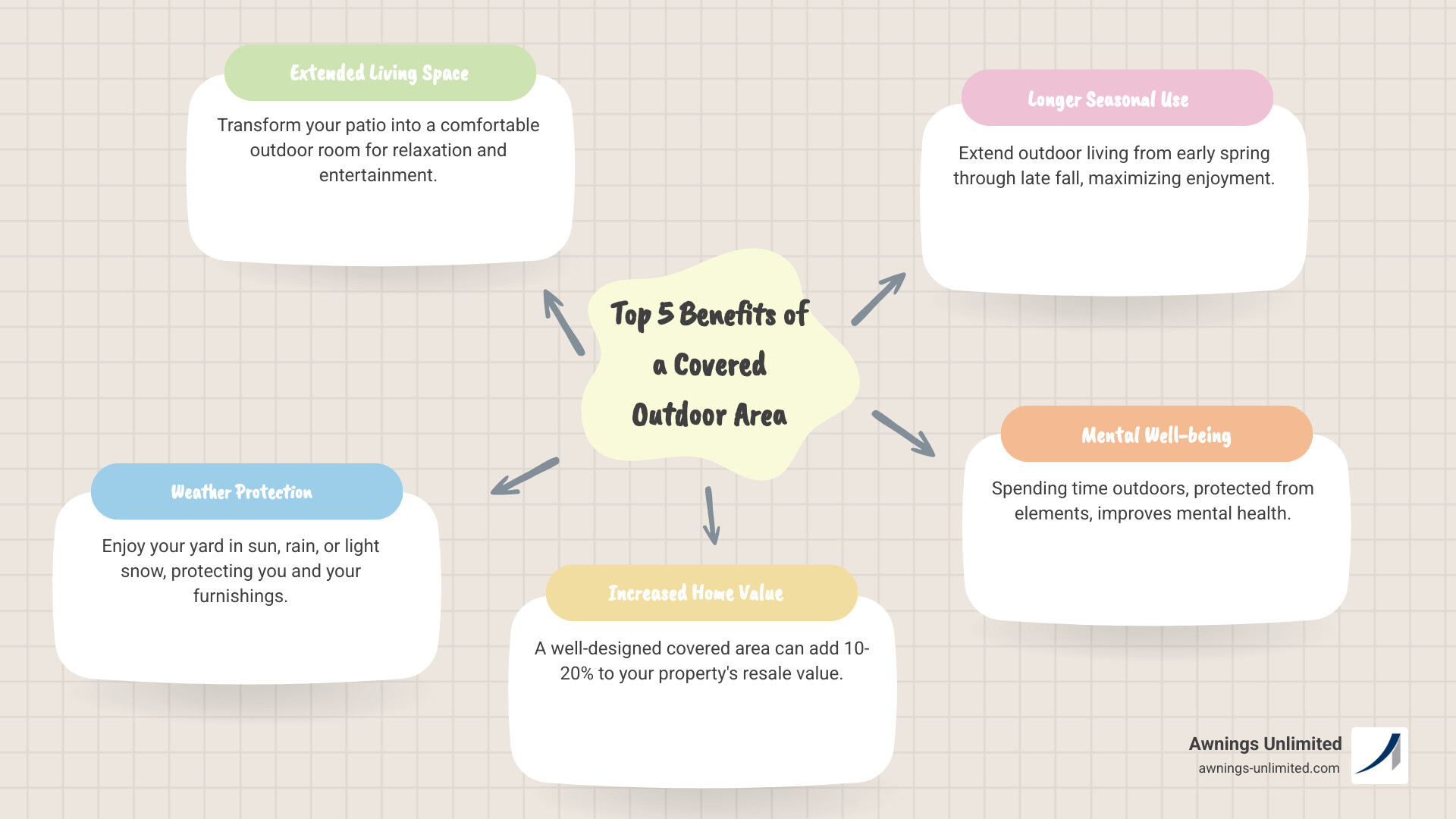
When you build an outdoor covered area, you’re creating more than just shade—you’re adding valuable living space to your home. Here’s what you gain:
- Extended Living Space – Turn your patio into a comfortable outdoor room
- Weather Protection – Enjoy your yard in sun, rain, or light snow
- Increased Home Value – Add 10-20% to your property’s resale value
- Longer Season Use – Enjoy outdoor living from early spring through late fall
- Health Benefits – Nature time improves mental well-being
Building a covered outdoor area is about lifestyle. It makes it possible to enjoy morning coffee under a pergola, host dinner parties under a solid roof, or create a play space for kids protected from the sun. The right structure makes it all possible.
The process involves careful planning, choosing durable materials, and understanding basic construction principles. While some homeowners tackle this as a DIY project for under $2,000, others invest in professional installations that integrate seamlessly with their home’s architecture.
At Awnings Unlimited, we’ve been helping homeowners build outdoor covered area solutions across Northern Utah and Wyoming since 1976. Our expertise in custom patio covers, pergolas, and awnings means we understand both the DIY journey and professional installation, ensuring you get a lasting, beautiful space.
Phase 1: Planning Your Perfect Outdoor Retreat
Every successful project begins with a solid plan. Before diving into materials and construction, consider the bigger picture. This initial phase is about defining your vision, understanding your budget, and assessing your outdoor space to ensure your covered area complements your home and lifestyle.
Defining Your Vision: Types of Covered Structures
Outdoor covered areas include a diverse family of structures, each with unique characteristics. Choosing the right type depends on your needs for shade, weather protection, aesthetics, and budget.
- Pergolas: Feature an open lattice roof, offering partial shade and a defined outdoor room feel. Excellent for creating focal points and can be improved with climbing plants or fabric shades.
- Gazebos: Typically freestanding with a fully covered roof. Provide excellent shelter from sun and rain, ideal for outdoor dining or poolside cabanas.
- Fully Covered Patios: Structures with solid roofs providing complete protection from sun, rain, and snow. Can be attached to your home or freestanding. Perfect for outdoor kitchens or entertainment systems.
- Awnings: Attached directly to your home, these fabric or metal covers can be fixed or retractable, offering flexibility for sun control.
- Shade Sails: Fabric panels tensioned between posts, offering a modern aesthetic and cost-effective sun protection for large areas.
- Temporary vs. Permanent: Pop-up canopies are budget-friendly for occasional use, while permanent structures like pergolas and solid patio covers offer long-term value and can increase property value.
Design and Layout Considerations
Once you’ve chosen your structure type, focus on the design details that make your outdoor covered area truly yours.
- Size and Scale: Consider your yard’s dimensions and typical guest count. A common DIY project size is around 24’x12′. Measure and sketch to visualize the layout.
- Architectural Style Integration: Match your home’s existing architecture. Exposed beams add craftsman appeal, while anodized aluminum provides contemporary style. Matching colors and roofing creates cohesion.
- Location and Sun Path Analysis: Critical in sunny Utah and Wyoming. Observe the sun’s path to determine optimal orientation for maximum shade and comfort.
- Intended Function: Your primary use dictates size and features. Dining areas benefit from pergolas with string lights, while lounging spaces need comfortable furniture and privacy.
Pergolas vs. Fully Covered Patios: Which is Right for You?
Both pergolas and fully covered patios offer distinct advantages.
| Feature | Pergola | Fully Covered Patio |
|---|---|---|
| Shade and Weather Protection | Partial shade with open/slatted roof. Limited rain protection unless combined with canopies. | Full protection from sun, rain, and light snow with solid roof. Best for year-round use. |
| Cost | Generally more affordable, especially for DIY projects. | Higher cost due to more materials and structural requirements. |
| Aesthetics | Classic, open, garden-friendly look. Ideal for landscaping integration. | Feels like an outdoor room. Matches house architecture closely. |
| Maintenance | Wood requires regular staining; vinyl/aluminum are lower maintenance. | Solid roofs need occasional cleaning and gutter maintenance. |
| Versatility | Excellent for plants, lights, or retractable canopies. | Ideal for integrated lighting, fans, heaters, and entertainment systems. |
| Best For | Creating defined spaces with partial shade and natural feel. | Maximizing weather protection and extending living space year-round. |
Phase 2: Choosing the Right Materials for Durability and Style
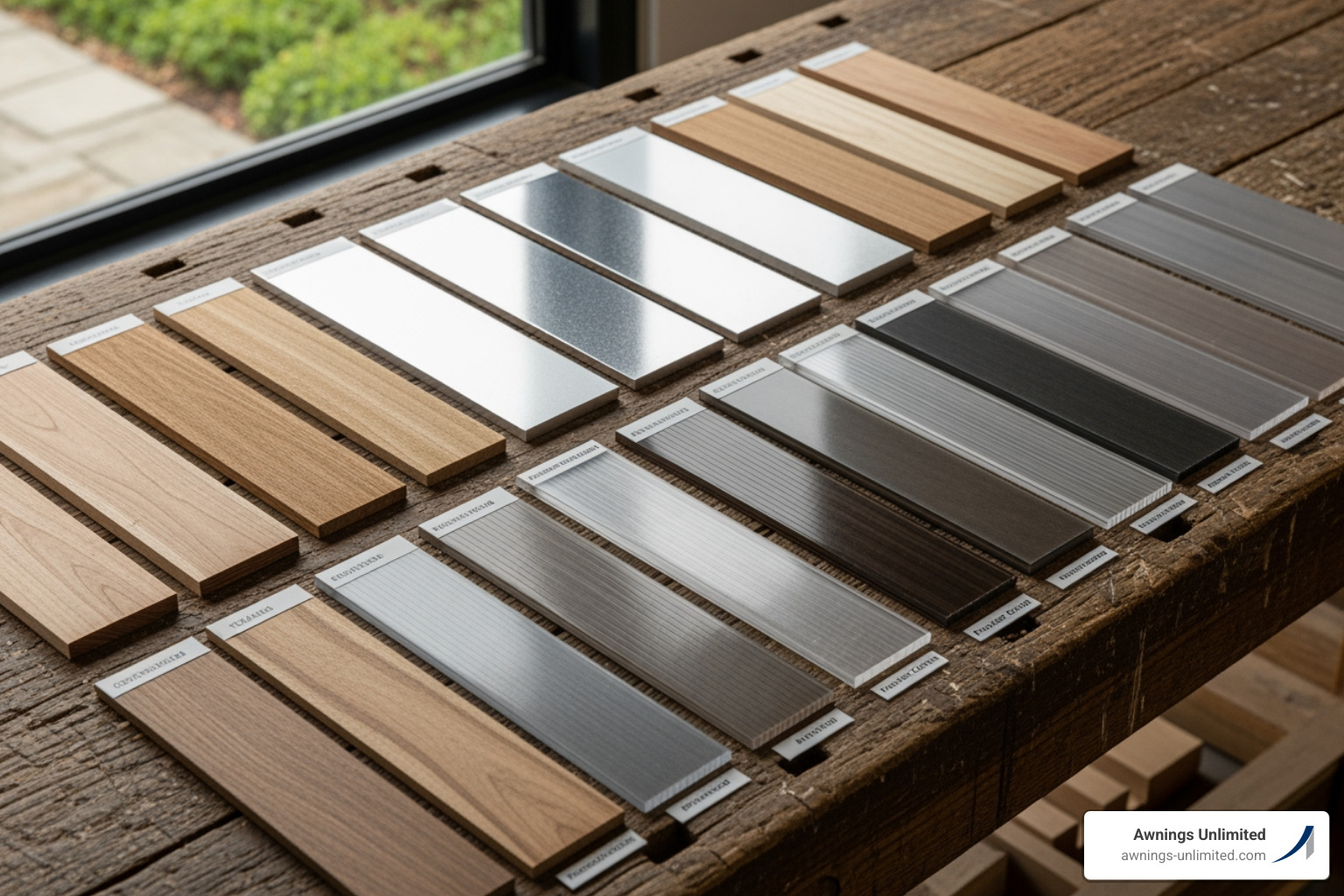
The materials you choose dictate the aesthetic, longevity, maintenance, and performance of your structure, especially in Utah and Wyoming’s diverse climates with hot summers, cold winters, and potential high winds or heavy snow loads.
Wood: For a Classic, Natural Aesthetic
Wood offers timeless appeal and warm, inviting feel.
- Types:
- Cedar: Naturally resistant to rot, decay, and insects. Dimensionally stable and weather-resistant.
- Redwood: Similar to cedar with natural insect and weather resistance. Beautiful red hue that darkens over time.
- Pressure-Treated Pine: Economical option, chemically treated for rot and insect resistance. Widely available for structural components.
- Pros: Highly customizable, allowing intricate designs and various finishes. Can be stained or painted to match your home.
- Cons: Requires regular maintenance including staining or sealing to protect from moisture and UV damage. Can crack in dry climates and needs proper treatment against pests.
Metal: For a Modern, Low-Maintenance Structure
Metal structures offer superior durability and contemporary aesthetics.
- Types:
- Aluminum: Lightweight, strong, and naturally rust-resistant. Our Alumawood products are 100% aluminum, providing woodgrain beauty without upkeep.
- Steel: Very strong for larger structures but requires protective coating to prevent rust.
- Pros: Exceptionally durable and weather-resistant with minimal maintenance. Our Alumawood features Aluma-Shield paint with Teflon surface protector that resists dust, dirt, oil, stains, and corrosion – never needs painting! Designed for heavy snow loads and high winds.
- Cons: Higher upfront cost than some wood options. Steel can rust if coating is compromised. Less “natural” aesthetic than wood, though Alumawood beautifully mimics wood textures.
Polycarbonate and Fabric: For Versatile and Lightweight Coverage
These materials offer unique benefits, often used with wood or metal frames.
- Polycarbonate Panels: Rigid, clear or tinted plastic panels for solid roof covers where light transmission is desired with weather protection.
- Shade Cloth/Retractable Canopies: Durable outdoor fabrics providing excellent UV protection in various colors and weaves.
- Pros: Polycarbonate offers UV protection while allowing natural light. Tuff-Tex corrugated plastic roofing is cost-effective and durable. Fabric options are versatile and easy to install.
- Cons: Polycarbonate may be susceptible to hail damage or brittleness over time. Fabric may not withstand extreme weather and typically provides shade but not full rain protection unless waterproof. Heavy snow areas need steep pitch or regular clearing.
Phase 3: How to Build an Outdoor Covered Area – A Step-by-Step Guide
Ready to roll up your sleeves? Whether you’re building a simple pergola or tackling a more complex solid patio cover, the process involves several key steps. We’ll walk you through the general approach, but always remember that detailed plans and local code compliance are paramount.
Essential Tools and Safety Preparations
Before we start, let’s gather our gear and ensure a safe working environment.
- Essential Tools:
- Measuring tape and carpenter’s square
- Level (long and short)
- Post-hole digger or auger
- Drill and appropriate bits
- Circular saw, miter saw, or jigsaw (depending on materials)
- Wrenches and hammers
- Clamps
- Ladders (ensure they are stable and rated for your weight plus tools)
- Safety glasses, work gloves, and sturdy footwear
- Hearing protection (for power tools)
- Safety Gear: Always wear appropriate personal protective equipment. When working with power tools, be mindful of their operation and keep your work area clear. If working at heights, ensure ladder stability or consider scaffolding.
Key steps to build an outdoor covered area
Building an outdoor covered area is a rewarding project, but it requires precision and attention to detail. Here is a generalized sequence of steps:
- Site Preparation:
- Clear the Area: Remove any obstacles, debris, or vegetation from your designated construction zone.
- Locate Utilities: Before digging, always call 811 (or your local utility locate service) to mark any buried gas lines, electrical cables, or irrigation systems. This is a non-negotiable safety step.
- Layout and Mark: Use stakes and string to accurately mark the footprint of your structure. Double-check diagonal measurements to ensure your layout is square.
- Setting Footings and Posts:
- Dig Post Holes: Dig holes for your posts to the required depth, which in many areas of Utah and Wyoming will be below the frost line (often 24-36 inches) to help prevent frost heave.
- Set Posts: Place your main support posts (for example, 4x4s or 6x6s) into the holes. You can use concrete to secure them, ensuring they are plumb (vertical) with a level. For added rigidity, especially with taller structures or in areas with high winds, sinking and cementing posts into the ground is often recommended.
- Allow Curing: Let the concrete cure for at least 48 hours before adding significant weight to the posts.
- Attaching Ledger Board to House (if applicable):
- If your structure is attached to your home, a ledger board will be securely fastened to the house framing. This typically requires lag screws and flashing to help prevent water intrusion. This step is critical for structural integrity and protecting your home.
- Installing Beams and Rafters:
- Attach Beams: These are the horizontal members that connect your posts and/or ledger board. Use appropriate brackets and fasteners (such as structural screws or connectors) to ensure a strong connection.
- Install Rafters: Rafters are typically smaller wooden or metal members that run perpendicular to the beams, forming the main support for your roof material. Space them according to your material choice and local code requirements for snow load.
- Bracing: Install diagonal cross braces for added stability, especially in areas prone to wind or seismic activity. This helps reduce swaying and makes the structure more robust.
- Attaching the Roofing Material:
- Solid Roof: For a solid roof, you might use corrugated plastic panels, metal panels, or traditional roofing materials like shingles over plywood. Ensure proper overlap and use screws with foam or rubber washers to seal fasteners and help prevent leaks.
- Pergola Lattice/Shade: For pergolas, you will install decorative lattice, purlins, or fabric shade elements. Ensure these are securely fastened.
- Drainage: Plan for water runoff. If your roof slopes towards the house, ensure it drains into existing gutters. If it slopes away, consider adding a gutter system to the front edge to manage water.
DIY vs. Professional: Making the Right Choice
For simple pergolas or small shade structures, building it yourself can be a rewarding and cost-effective endeavor. A DIY covered patio project for a 24’x12′ area can cost under $2000. However, honestly assess your capabilities and the complexity of the project.
- Assessing Your Skill Level: Do you have experience with carpentry, power tools, and interpreting building plans?
- Time Commitment: Building a substantial covered area can take several weekends, even full days, for staining and assembly. Consider whether your schedule allows for that.
- Tool Availability: Do you own or can you rent the necessary tools?
- When to Call a Pro: For larger, more complex structures, or those requiring attachment to your home, professional expertise is invaluable. Professionals help ensure structural integrity, steer local building codes and permits (which are often required for permanent structures in Utah and Wyoming), and offer warranties on their work. While a DIY structure might meet county codes if you follow lumber yard recommendations for load, a professional installation provides peace of mind, a refined finish, and long-term support.
Phase 4: Finishing Touches and Long-Term Care
Once the construction is complete, it’s time for the fun part: changing your new outdoor covered area into a truly inviting space. Then, we will talk about how to keep it looking great for years to come.
Bringing Your Space to Life: Decor and Furnishings
Think of your covered patio as an outdoor room, because that is exactly what it is.
- Outdoor Furniture Selection: Choose comfortable, weather-resistant furniture that suits your style and the intended use of the space. Lounge furniture and curtains can create a cozy environment for relaxation. Consider modular pieces for flexibility.
- Weather-Resistant Rugs: An outdoor rug can define the space, add warmth, and introduce color and texture, making it feel more like an extension of your indoor living room.
- Potted Plants and Vertical Gardens: Bring nature into your covered space with potted plants. For smaller areas, vertical gardens are a clever way to add greenery without taking up floor space. Vines trained over a pergola can create natural shade and beauty.
- Creating Functional Zones: Use furniture arrangement and rugs to delineate different areas, such as a dining zone, a lounging area, or a quiet reading nook.
Illuminating Your Oasis: Lighting and Comfort Features
Lighting and comfort features are what truly make your covered outdoor area usable and enjoyable after sunset and during cooler times.
- String Lights: A classic choice, string lights add a welcoming ambiance to any outdoor space, especially pergolas. They are affordable and easy to install.
- Recessed Lighting/Pendant Lights: For a more integrated and sophisticated look, consider recessed lighting in a solid patio cover ceiling or neat pendant lights hung from beams. These can provide both ambient and task lighting.
- Ceiling Fans: In the warmer months common in Utah, a ceiling fan can provide much-needed air circulation, making your outdoor space more comfortable. Ensure any electrical installations are properly protected from weather.
- Outdoor Heaters: To extend the usability of your covered patio into cooler evenings or even early spring and late fall in Utah and Wyoming, gas or electric heaters can be affixed to the structure, keeping cool evenings more comfortable.
- Adjustable Screens or Shades: Modern covered areas can incorporate adjustable screens or shade panels you can position for sun control or privacy. These can also help keep insects at bay.
Protecting Your Investment: A Simple Maintenance Guide
Regular maintenance will help ensure your outdoor covered area remains beautiful and functional for many years.
- Cleaning Schedules for Different Materials:
- Wood: Periodically wash with mild soap and water to remove dirt and mildew.
- Metal (like Alumawood): Our Alumawood products are designed for low maintenance, requiring only occasional cleaning with a hose and mild detergent to keep them looking pristine thanks to their Aluma-Shield paint system.
- Polycarbonate: Clean with a soft cloth, mild soap, and water. Avoid abrasive cleaners.
- Fabric: Many outdoor fabrics are mold and mildew resistant; clean according to manufacturer instructions, usually with mild soap and water.
- Staining and Sealing Wood: If you chose a wood structure, reapply stain or sealant every 1-3 years (depending on the product and exposure) to help protect against UV rays and moisture.
- Inspecting Fasteners and Structure: Annually check all bolts, screws, and connections to ensure they are tight and secure. Look for any signs of wear, rot, or damage and address them promptly.
- Gutter Cleaning: If your covered patio has gutters, clean them regularly to help prevent clogs and ensure proper drainage, especially important before winter in areas with heavy snowfall.
Phase 5: The Practicalities: Costs, Codes, and Home Value
Before you start on building your outdoor covered area, it’s vital to understand the practicalities that can impact your project, from your wallet to local regulations.
Budgeting Your Project: What to Expect
The cost to build outdoor covered area can vary widely based on its type, size, materials, and whether you DIY or hire professionals.
- DIY Cost Estimates: For a simple pergola or basic shade structure, a DIY project can cost under $2,000 for a 24’x12′ area, primarily covering material costs like lumber and roofing. This can be a significant saving compared to professional installation.
- Professional Installation Costs: Hiring professionals will naturally be a higher investment but includes labor, expertise, and often higher-quality, more durable materials with warranties. For example, a roofed custom-made pergola or veranda can range significantly more per square foot, depending on the complexity and materials.
- Material Price Ranges:
- Wood: Pressure-treated pine is generally the most economical, while cedar and redwood are more expensive.
- Metal: Aluminum (like our Alumawood) offers excellent value due to its low maintenance and longevity, while steel can be robust but may have higher installation costs.
- Polycarbonate/Fabric: These options can range from very affordable for basic shade sails to moderately priced for high-quality retractable awnings or clear roofing panels.
- Factoring in Permits and Tools: Don’t forget to budget for any required building permits, which can add to the overall cost. If you’re going DIY, consider the cost of purchasing or renting specialized tools you might not already own.
Navigating Local Regulations and Climate
This is a critical step, especially in Utah and Wyoming, where varied climates and specific local regulations apply.
- Checking Local Building Codes: Most permanent outdoor structures require adherence to local building codes. These codes dictate everything from foundation requirements to structural integrity. Always check with your local city or county planning department in areas like Salt Lake City, Ogden, Orem, or Rock Springs.
- Understanding Permit Requirements: Building permits are often necessary for attached structures, gazebos, and even some larger pergolas. Failure to obtain a permit can lead to fines, forced demolition, or issues when selling your home. The permit process ensures your structure is safe and up to code.
- HOA Rules: If you live in a community with a Homeowners Association, you’ll need to check their specific guidelines and obtain approval before starting any exterior construction.
- Designing for Snow Load and Wind Shear: Utah and Wyoming experience significant snowfall and, in some areas, strong winds. Your structure must be designed to withstand these forces. For example, a 2×8 spanning 10′ might provide approximately 40 lbs per square foot of snow load coverage, which is sufficient for many areas, but you must verify your specific local requirements. Our local lumber yards can provide information on lumber sizes needed for projects based on local codes. For larger spans or heavier loads, engineered beams or trusses might be required. We ensure our professionally installed structures are designed to handle these specific climate challenges.
Boosting Your Home’s Worth
A well-designed and constructed outdoor covered area is more than just an amenity; it’s an investment in your property.
- Increased Property Value: A covered patio can add 10-20% to the resale value of a home. This significant return on investment makes it one of the most attractive home improvements.
- Improved Curb Appeal: A stylish, integrated outdoor covered area improves your home’s aesthetic appeal, making it more attractive to potential buyers.
- Creating More Usable Square Footage: By providing a comfortable, weather-protected space, you effectively expand your home’s functional living area, making your property feel larger and more versatile. This expansion of usable space is a key driver of increased property value.
Conclusion
We’ve explored the journey of how to build outdoor covered area—from the initial spark of an idea to the final touches that create your backyard oasis. It’s a process that combines vision, practical planning, material choices, and careful execution. The satisfaction of changing your backyard into a functional and beautiful extension of your home is immense.
Whether you’re a seasoned DIY enthusiast ready to tackle a project or you’re seeking professional guidance for a seamless and durable solution, the benefits of a covered outdoor space are clear: extended enjoyment, improved lifestyle, and a boost to your home’s value.
For a guaranteed professional result with durable materials and a leading warranty in Utah and Wyoming, consider expert help. Awnings Unlimited has been serving homeowners since 1976, offering custom patio covers, pergolas, and awnings designed to withstand our unique climate.