

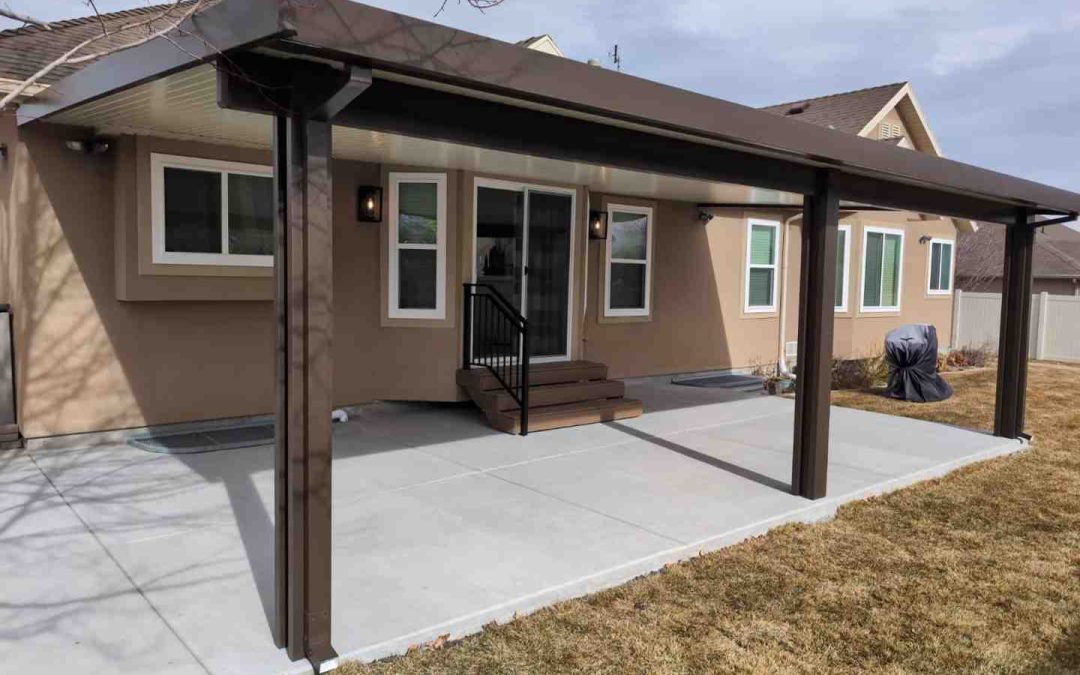
What Are Awning Parts? A Quick Overview
Awning parts are the individual components that make up a complete awning system — and knowing what they are can save you time, money, and frustration when something needs replacing or upgrading.
Here are the core awning parts found in most structural patio and residential awning systems:
| Part | Function |
|---|---|
| Mounting brackets | Attach the awning frame securely to a wall or roof |
| Rafters | Horizontal support beams that carry the roof load |
| Header beam | The main front beam tying the structure together |
| Support arms | Hold the frame out from the wall at the correct angle |
| Fascia boards | Cover the edges and give a finished look |
| Fasteners and pins | Connect all components and keep the structure rigid |
| Awning fabric or panels | The weather-blocking surface stretched across the frame |
Whether you’re doing a repair, a replacement, or planning a new installation, understanding these parts helps you make smarter decisions about your outdoor space.
At Awnings Unlimited, we’ve been helping Utah homeowners source, install, and maintain awning parts since 1976 — giving us nearly five decades of hands-on experience with structural patio covers and custom shade systems. That experience is what guides every recommendation in this guide.
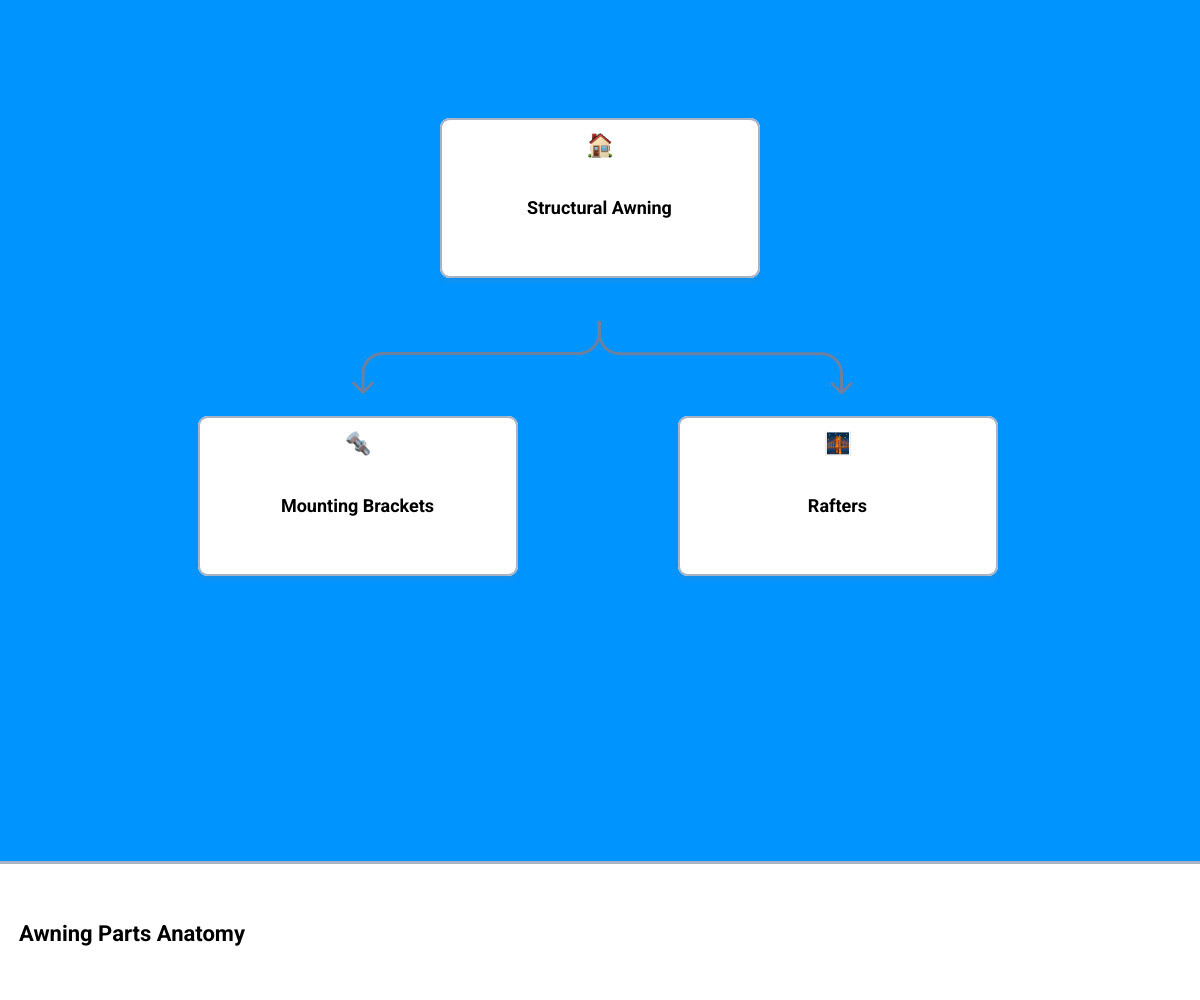
Essential Structural Awning Parts and Their Functions
When we talk about awning parts for structural systems – like the Alumawood patio covers we install from Salt Lake City to St. George – we are looking at components designed for permanence. Unlike portable or temporary shades, these parts must withstand Utah’s heavy snow loads and the intense summer sun along the Wasatch Front.
Every component serves a specific purpose in maintaining the structural integrity of your shade solution. If one piece fails, it puts undue stress on the others.
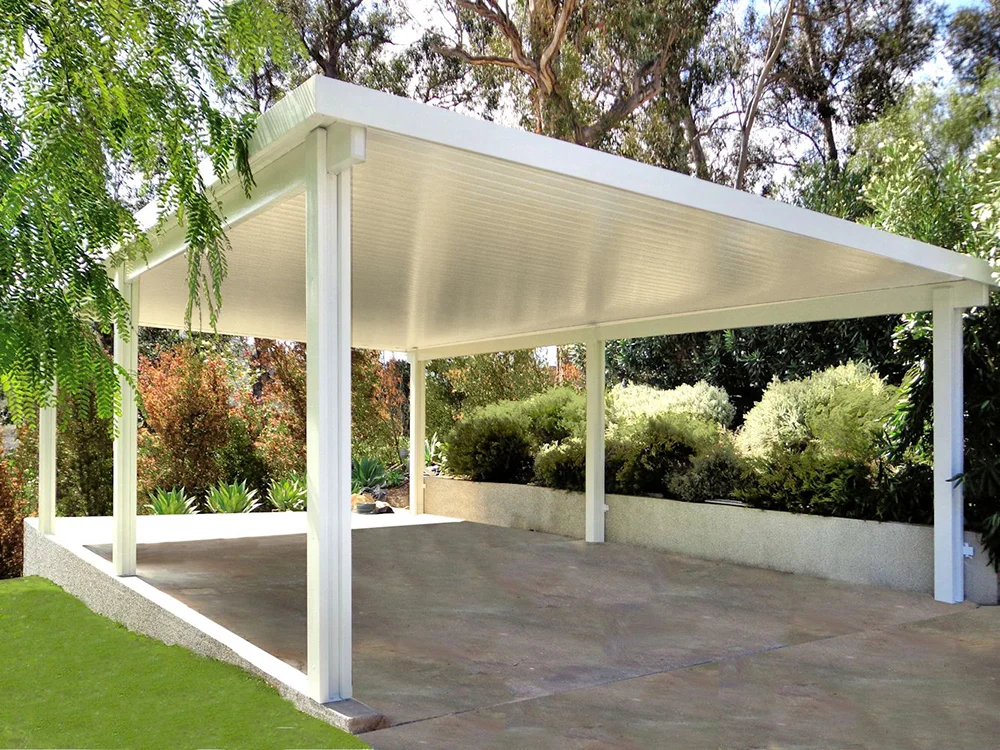
Heavy-Duty Mounting Brackets and Awning Parts
The mounting bracket is arguably the most critical of all awning parts. It is the literal “hand” that holds your patio cover to your home. In our region, where wind gusts can be significant, the quality of these brackets determines if your awning stays put or becomes a kite.
- Z-Brackets and Mounting Plates: These are often used for wall mounts to distribute the weight of the awning across multiple studs.
- Lag Screws: These are the heavy-duty fasteners that bite into your home’s framing. We always recommend high-grade stainless steel or galvanized options to prevent rust streaks on your siding.
- Specialized Hardware: For professional-grade builds, we look for corrosion-resistant, heavy-duty fasteners designed for long-term outdoor performance.
If you are unsure which bracket you need for a repair, you can use our Part Pieces Form to get expert help in identifying the right match for your specific setup.
Rafters, Support Arms, and Frames
The skeleton of your awning consists of rafters and support beams. In structural patio covers, these are typically made of extruded aluminum.
- Alumawood Extrusions: These are the “bones” of the system. They provide the look of real wood but are actually embossed aluminum. They won’t rot, peel, or become infested with termites – a huge plus for Utah homeowners.
- Header Beams: This is the heavy-duty horizontal beam that supports the rafters at the front of the structure. It transfers the weight to the vertical posts.
- Side Fascias: These provide the decorative border around the edge of the awning, hiding the ends of the rafters and giving the structure a clean, finished appearance.
- Powder Coating: While not a “part” in the physical sense, the finish on your awning parts is vital. High-quality powder coating ensures that your aluminum components stay the same color for years, even under the harsh UV rays we get at high altitudes.
| Hardware Feature | Aluminum Hardware | Steel Hardware |
|---|---|---|
| Weight | Lightweight, easy on home structure | Very heavy, requires more support |
| Corrosion Resistance | Naturally rust-proof | Must be galvanized/treated to avoid rust |
| Maintenance | Virtually zero | Requires periodic painting/sealing |
| Durability | High (especially Alumawood) | High, but prone to oxidation |
How to Identify and Select Compatible Replacement Parts
Identifying the right awning parts can feel like a detective game. If you didn’t install the awning yourself, you might not know the brand or the model. However, getting the right fit is essential for safety.
Finding OEM Awning Parts for Structural Systems
OEM (Original Equipment Manufacturer) parts are components made by the same company that built your awning. For structural systems, using OEM parts helps ensure that the tolerances and weight ratings remain consistent.
- Locate the Identification Plate: Most structural awnings have a small metal plate or a sticker on the inside of the header beam or one of the support posts. This will list the model number and often a serial number.
- Take Precise Measurements: If the ID plate is missing, you’ll need to measure. For rafters, measure the length, width, and the “gauge” (thickness) of the aluminum. For brackets, measure the hole spacing for the fasteners.
- Check for Material Matching: Not all aluminum is created equal. Some systems use roll-formed aluminum (thinner), while others use extruded aluminum (thicker and stronger). Mixing these can lead to structural weakness.
For those who prefer to handle minor repairs themselves, we provide Diy Instruction Guides to help you through the process. We also offer various Diy Options for homeowners who want the quality of professional materials with the satisfaction of a weekend project.
Maintenance Tips to Prevent Awning Hardware Failure
In our 45+ years of experience, we’ve found that most awning parts fail not because of poor quality, but because of a lack of simple maintenance. Utah’s weather is beautiful but can be brutal on outdoor structures.
- Debris Removal: Leaves, twigs, and dirt can trap moisture against your awning parts. Over time, this can lead to “pitting” in aluminum or corrosion in fasteners. A simple seasonal sweep goes a long way.
- Inspect Your Fasteners: Once a year, grab a ladder and check your mounting brackets. Are the lag screws still tight? Is there any movement when you pull on the support arms? If things feel loose, it’s time for a quick tighten.
- Winterization: Before the first big snow hits the Wasatch Front, ensure your gutters are clear. If snow melts and refreezes in your awning’s drainage system, the weight of the ice can bend rafters or pull brackets away from the wall. You can find more details in our guide on How To Winterize Your Awning And Protect It From The Elements.
- Cleaning: Use a mild detergent and water to keep the finish clean. Avoid harsh chemicals that could strip the powder coating. We have a dedicated resource for Cleaning Awning surfaces to keep them looking brand new.
For many of our customers, Professional Awning Maintenance is the best way to ensure peace of mind. A professional eye can often spot a hairline crack in a bracket or a failing seal before it becomes an expensive emergency. Regular care is truly about Awning Maintenance Extending Your Awnings Life.
Frequently Asked Questions about Awning Parts
Are there universal parts that work across different brands?
While some fasteners (like standard stainless steel bolts or lag screws) and simple Z-brackets are somewhat universal, most structural awning parts are proprietary. A rafter from one manufacturer rarely fits perfectly into the header beam of another. We recommend sticking to brand-specific parts whenever possible to maintain your warranty and structural integrity.
How do I choose between OEM and aftermarket parts?
It usually comes down to three factors: quality, price, and warranty.
- Quality: OEM parts are guaranteed to meet the original engineering specs. Aftermarket parts can be hit-or-miss regarding material thickness.
- Price: Aftermarket parts are often cheaper, but they may lack the UV-resistant coatings or the high-grade aluminum found in OEM components.
- Warranty: Using non-standard parts can sometimes void the warranty on your entire awning structure.
Understanding the Importance Of Proper Maintenance For Your Utah Awning includes knowing that the parts you use are up to the task of handling local wind and snow.
What tools are required for basic part replacements?
For most structural awning parts, you don’t need a specialized workshop, but you do need the right basics:
- Socket Set and Cordless Drill: For tightening or replacing fasteners.
- Leveler: To ensure rafters and beams are perfectly aligned (essential for proper water runoff).
- High-Grade Sealant: Any time you put a screw through your home’s siding or roof, you must seal it to prevent leaks.
- Safety Gear: Sturdy ladders and gloves are non-negotiable.
For a deeper dive into tools and techniques, check our section on Proper Maintenance For Your Utah Awning.
Conclusion
Your awning is more than just a roof over your patio; it’s a complex system of engineered awning parts working together to create a comfortable outdoor oasis. Whether you’re in Salt Lake City, Bountiful, or Park City, keeping those parts in top shape is the key to enjoying your backyard for decades.
Since 1976, Awnings Unlimited has been the trusted name for custom awnings and patio covers across Utah and Wyoming. We pride ourselves on using durable Alumawood materials and providing professional installations that stand the test of time. If you’re looking to upgrade your outdoor space or need help finding the right components for your structure, our family-owned team is here to help.
Explore our full range of structural awning products and let us help you build a shade solution that lasts.